
Choose the kind of tea visit you want
Scroll sideways to compare all columns.
| Experience | What it offers | What to confirm | Route starting point |
|---|---|---|---|
| Tea museum | History, machinery and context for Ceylon tea | Current visiting and tasting arrangements | Hanthana, near Kandy |
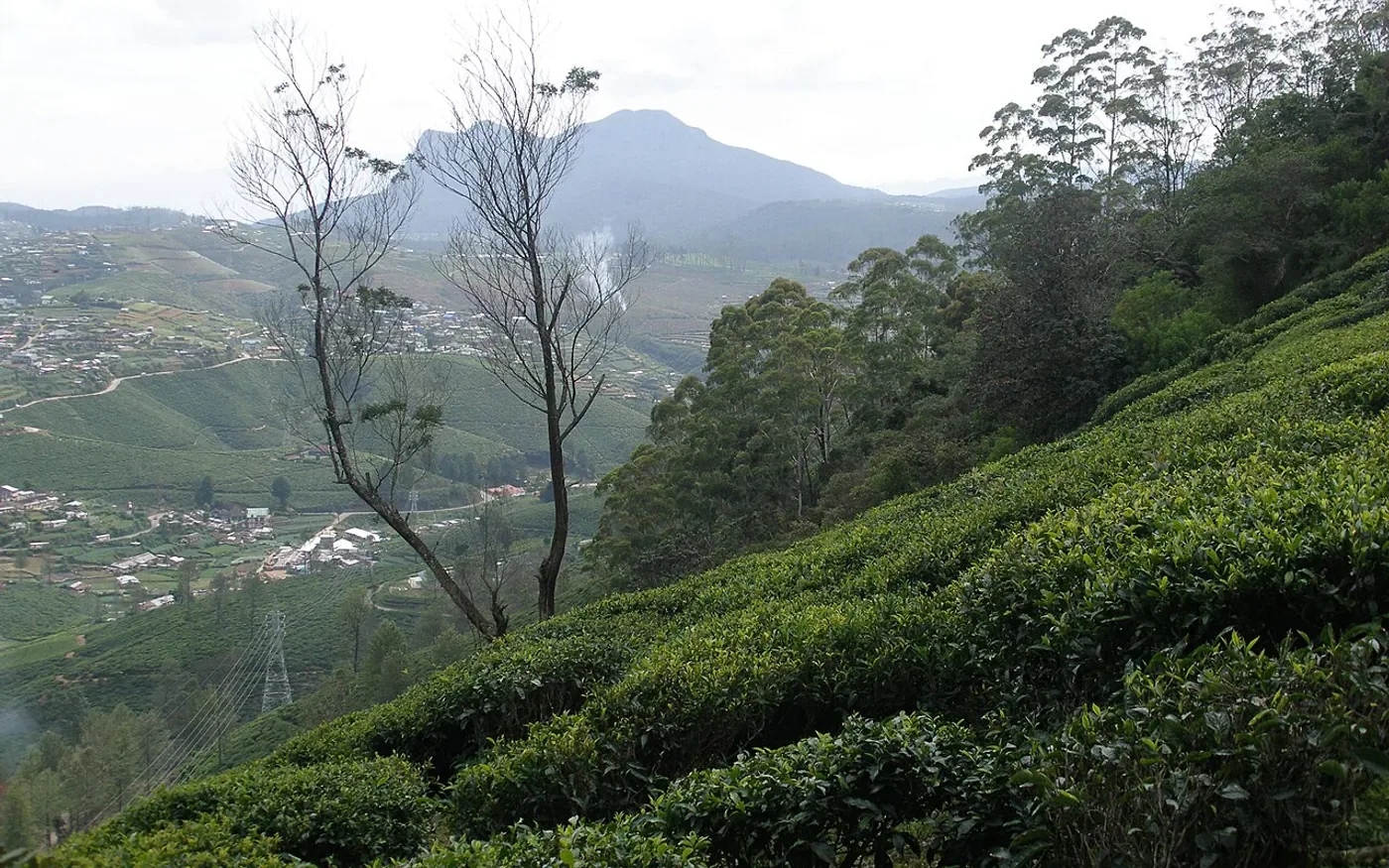
| Plantation landscape | Tea-covered hills and time to enjoy the setting | Visitor access and permission to enter estate land | Nuwara Eliya and the wider hill-country journey |
| Factory visit | A look at processing, where visitor access is offered | Tour availability, production schedule and photography | Choose an operating visitor facility along your route |
| Tea tasting | Comparing teas and deciding what you enjoy | Whether tasting is offered and what it involves | A confirmed visitor outlet or tea venue |
Begin with the people and machinery behind the cup.
The Ceylon Tea Museum in Hanthana, near Kandy, offers a historical starting point in a former tea-factory building. It can add context before travelling through the plantation landscapes farther into the hills.
A museum visit is different from seeing a factory in production. If you want a tasting as well, check the museum’s current arrangements directly. Plan time for the visit rather than treating it as a quick detour between other Kandy stops.
Make the landscape part of the stay.
Nuwara Eliya is one of Sri Lanka’s recognised tea-growing regions. The Tea Board distinguishes it from Kandy, Dimbula, Uva and the island’s other tea regions: Ceylon tea is not one identical flavour grown in one place.
Around Nuwara Eliya, leave room to enjoy the landscape as well as a planned visit. Share whether you want viewpoints, a comfortable place for tea or a closer look at production. Estate land is a workplace; check access before walking among the plants or photographing workers.
If Ella is also in your route, discuss the whole hill-country chapter and overnight bases. A series of tea stops is not a reason to keep changing hotels every day.
Ask what will actually happen during your visit.
A visitor tour may explain processing and show equipment, but it does not automatically mean every production stage will be running. Ask the facility about tours and operating schedules for your date.
Confirm photography, walking requirements and any admission or tasting charge before arrival. Different estates run different visitor arrangements; we do not publish one set of opening hours or a universal factory-tour promise.
If a particular factory matters to you, share its name early so the road route and visit can be checked together. Guiding, tastings and entry should be clear parts of the agreed arrangements.
Choose tea by what you enjoy.
A tasting is a chance to compare teas rather than simply stop at a shop. Ask which growing regions and styles are represented, how the tea is prepared and whether you can compare it without additions first.
For packaged tea, the Sri Lanka Tea Board’s Lion Logo identifies 100% pure Ceylon tea packed in Sri Lanka under its scheme. It does not establish that a factory offers tours, that a tea is organic, or that every product without it is counterfeit.
Take time to look at labels and choose an amount you will use. Buying tea is optional; a visitor stop should suit your interests, not become an obligation.
Pair tea with time outdoors, at your own pace.
Decide whether tea is your main interest or a smaller stop within a Kandy, Nuwara Eliya or Ella stay. Our hiking guide can help you compare walking options separately from factory and museum visits.
Share your travel dates, walking comfort and fixed hotels so the visits fit the road journey. Leave time for meals, viewpoints and weather changes rather than filling every transfer day with another appointment.
What to share for your tea-country visit
Share only what you already know. The remaining questions can be discussed as the plan becomes clearer.
- Scenery, history, processing or tasting: your priorities
- Any named museum, estate or factory you want to visit
- Travel dates and hill-country overnight bases
- Walking needs and children travelling with you
- Other stops already fixed around Kandy, Nuwara Eliya or Ella
- Whether you want a short tea stop or a dedicated visit
Things worth asking before you decide.
Where can I visit tea plantations in Sri Lanka?
Nuwara Eliya is a useful hill-country starting point. Choose the particular visitor venue along your route and confirm access: a landscape covered in tea is not automatically open for a walk or tour.
Is the Tea Museum a working factory?
The Hanthana museum is in a former factory building and focuses on tea history. A working-factory visit is a different experience and needs its own arrangements.
Will I see tea being processed?
Ask the chosen facility about its production and visitor schedule for your date. A tour may explain machinery without every stage operating during the visit.
Can I walk through an estate and photograph tea pickers?
Confirm estate access and ask people before photographing them. These are working landscapes, not unrestricted visitor parks.
Are tastings included in the private driver service?
Discuss them separately. Transport, visitor admission and tasting arrangements should be clear in your itinerary and quote.
Sources and review date.
Practical arrangements still need confirmation for your dates. Information reviewed 8 October 2026.
Tell us what you know so far.
We can discuss the practical route, vehicle and quotation before anything is confirmed.