
Five beach bases, different ways to stay
Scroll sideways to compare all columns.
| Beach base | Setting | What to discuss | Route fit |
|---|---|---|---|
| Unawatuna | Southern beach base near Galle; the main bay and nearby beaches differ | Beach time alongside fort streets, meals and smaller outings | Consider with Galle; choose your accommodation’s exact location |
| Mirissa | Southern coastal base with beach and rocky shoreline settings | How much time you want by the shore, and the setting of your hotel | Discuss alongside Matara and other southern stops |
| Tangalle | Several southern beach settings, including Goyambokka | The particular beach, access and accommodation rather than one general label | Consider a coastal finish after hill country or safari |
| Nilaveli Beach | Eastern sandy shore with Trincomalee nearby | Time by the coast and whether you want outings into Trincomalee | Consider after the cultural triangle and Trincomalee |
| Pasikudah Beach | Eastern bay with beach accommodation around the shore | Your chosen property, beach access and preferred pace | Allow a dedicated stay for the eastern detour |
Choose the coast around your month, with room for weather.
Sri Lanka’s two monsoons affect different sides of the island. Seasonal patterns help you choose a starting point, but they are not a forecast for your hotel or a guarantee of calm water. The conditions at the actual beach matter too.
During December–February, the south and west are usual beach choices while the northeast monsoon affects the eastern side. March–April is a transition with possible afternoon thunderstorms: the south and west remain options to discuss, with flexibility rather than a promise of uninterrupted sunshine.
From May–September, consider eastern bases such as Nilaveli and Pasikudah while the southwest monsoon affects the south and west. October–November brings another transition, with showers possible across the island. Keep coast choice and daily plans flexible in these months.
An off-season coast is not automatically unavailable for a stay. Think about the accommodation, time near the shore and alternative outings, and check current conditions before choosing water activities. April and October are not fixed dates when every beach changes season.
Unawatuna: beach time with Galle close by.

Consider Unawatuna if you want a southern beach base alongside time in Galle. The fort’s streets and ramparts can be a separate outing, leaving other days for the coast rather than moving hotels for every stop.
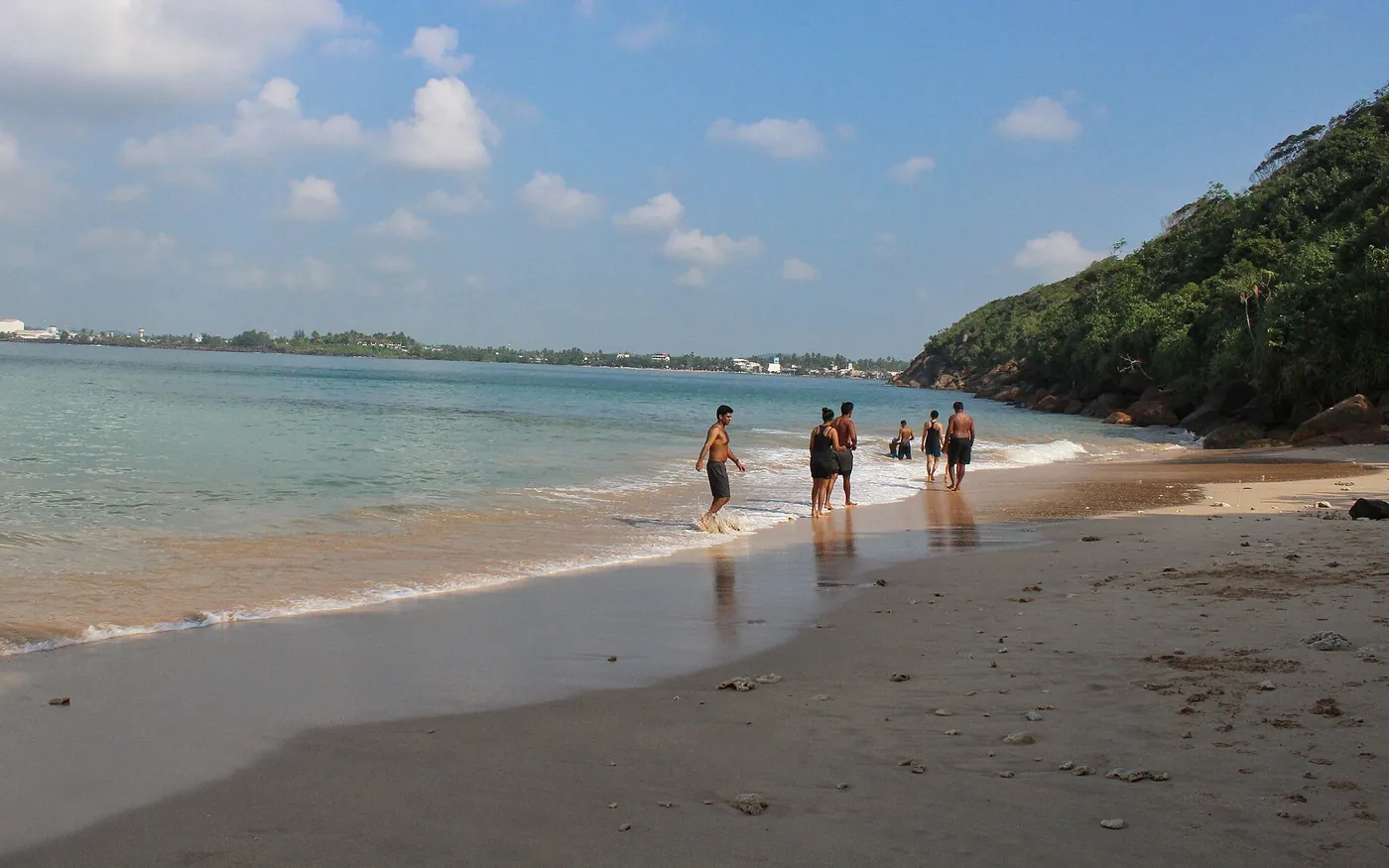
The main Unawatuna bay and smaller nearby settings are not the same experience. The photograph here shows Jungle Beach near Unawatuna. Choose by your accommodation’s location, access to the shore and the sort of beach day you enjoy.
Discuss whether you prefer to walk to meals and the beach or use transport for outings. A bay shape does not establish swimming safety; ask for advice at the specific stretch of shore when you visit.
Mirissa: leave time to settle into the southern coast.


Mirissa can be a southern base for a few coastal days, rather than a short photo stop between transfers. Its beach and rocky shoreline settings offer different places to spend time, so establish where your hotel sits before building plans around it.
Decide how much of the stay you want near the shore and how much you want for other southern outings. Matara and nearby destinations can be discussed within the wider route, without filling every beach day with another journey.
If surfing is your priority, compare the bases in our surfing guide. A general beach stay and a surf-focused itinerary need different decisions about location, conditions and activities.
Tangalle: choose a particular beach, not only a town name.
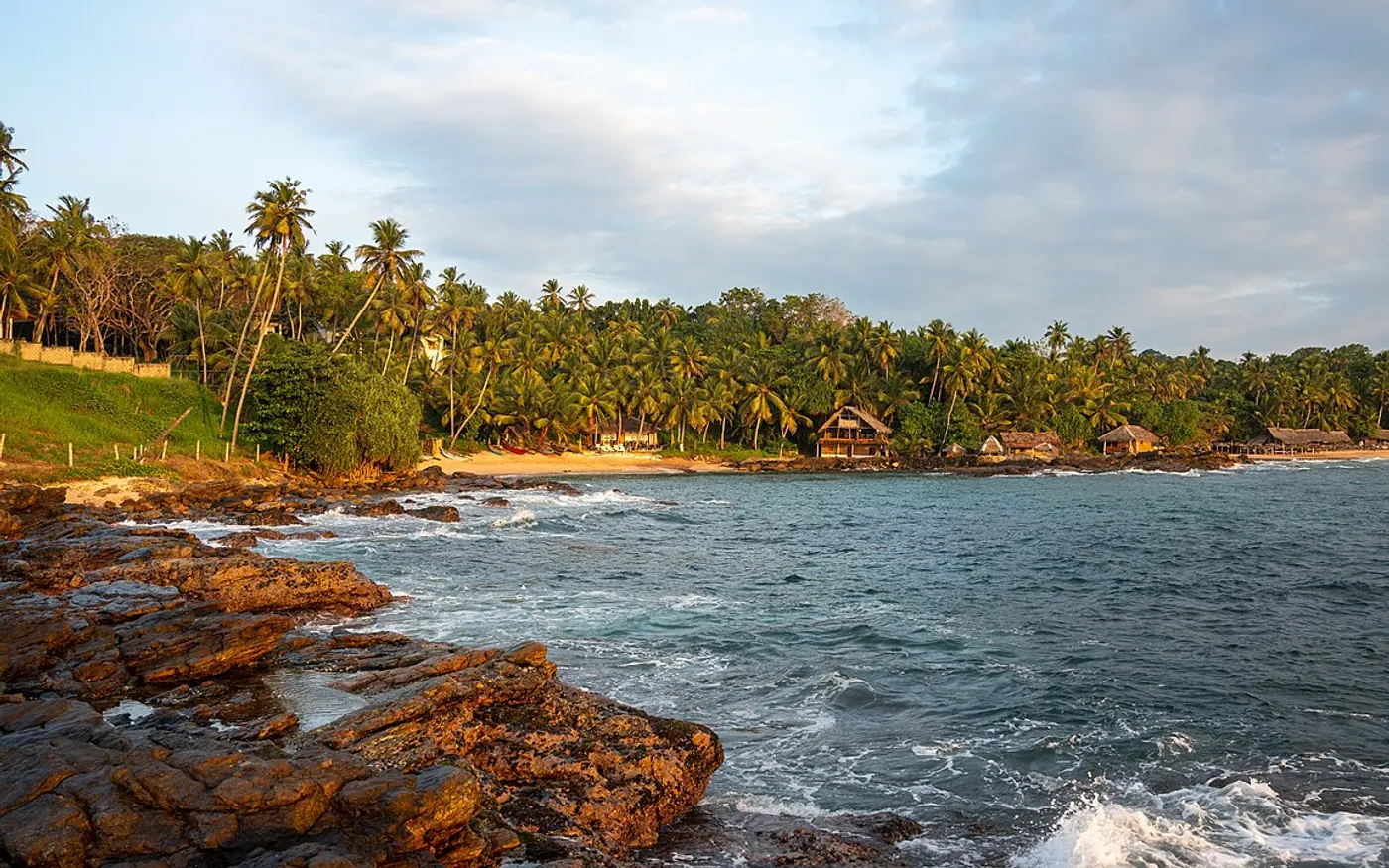

Around Tangalle, compare the actual beach and property you are considering. A photograph of a small bay should not lead you to expect the same shoreline, access or conditions across the whole area. This image shows Goyambokka Beach near Tangalle.
For a slower stay, discuss how close you want to be to meals, what access from the property involves and whether a pool matters to you. Quietness depends on the location and time of your visit; it is not something a destination name can guarantee.
Tangalle can be considered as a coastal chapter after hill country or safari. Share the places and hotels already fixed so the road journeys and overnight bases can be discussed before adding more stops.
Nilaveli: an eastern beach stay with the town as another chapter.
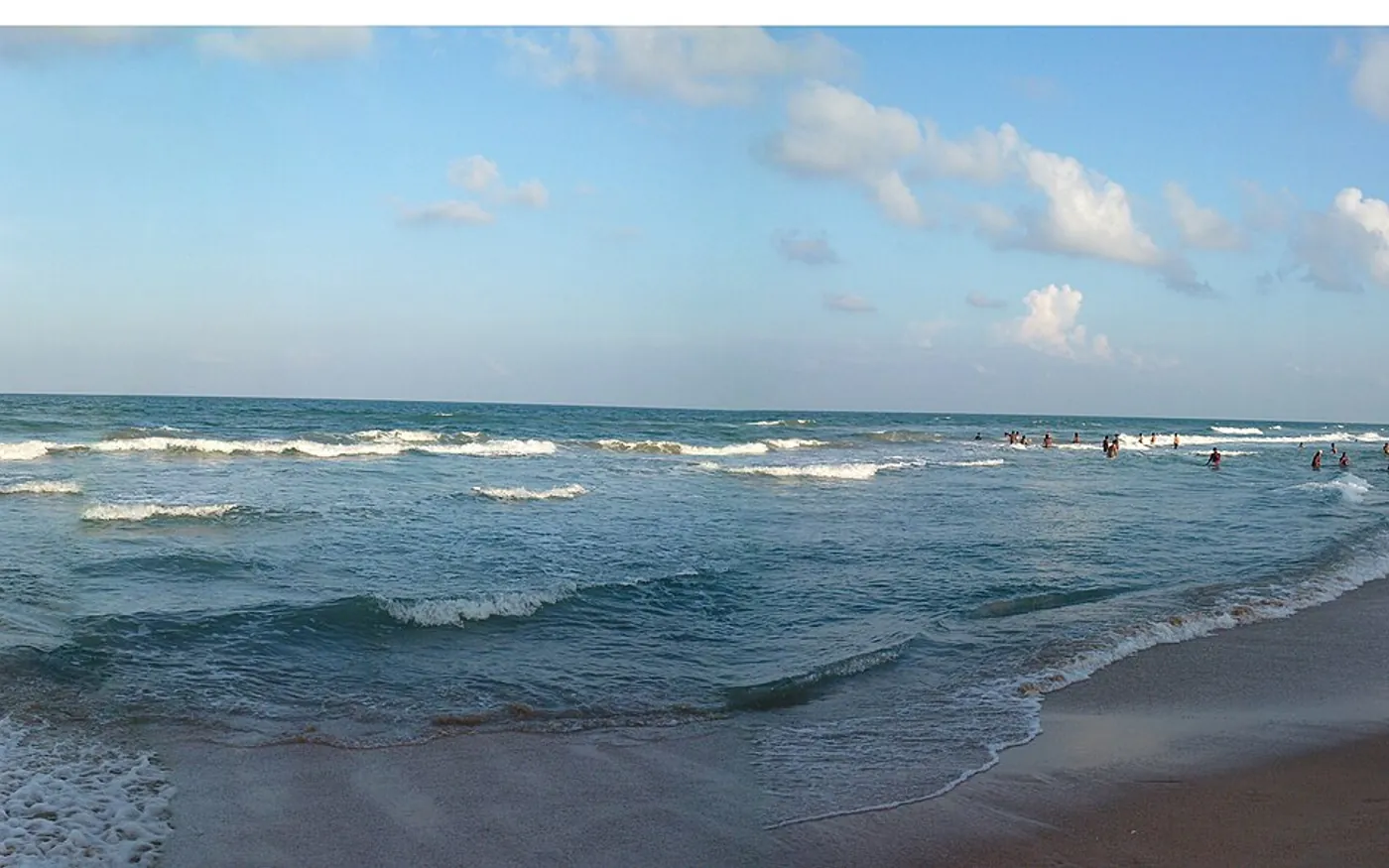

Nilaveli is a beach option north of Trincomalee. Compare a stay near the sandy shore with time in Trincomalee itself, rather than assuming the beach and town are one walkable base.
May–September is a useful eastern-coast planning window to consider. Actual rain, wind and sea conditions still vary, so keep outings flexible and ask locally about the beach on the day.
A route through the cultural triangle and Trincomalee can lead naturally to an eastern stay. Discuss how many nights you want by the coast, your hotel’s position and which town outings interest you before fixing the order.
Pasikudah: make the eastern stay a deliberate part of the route.
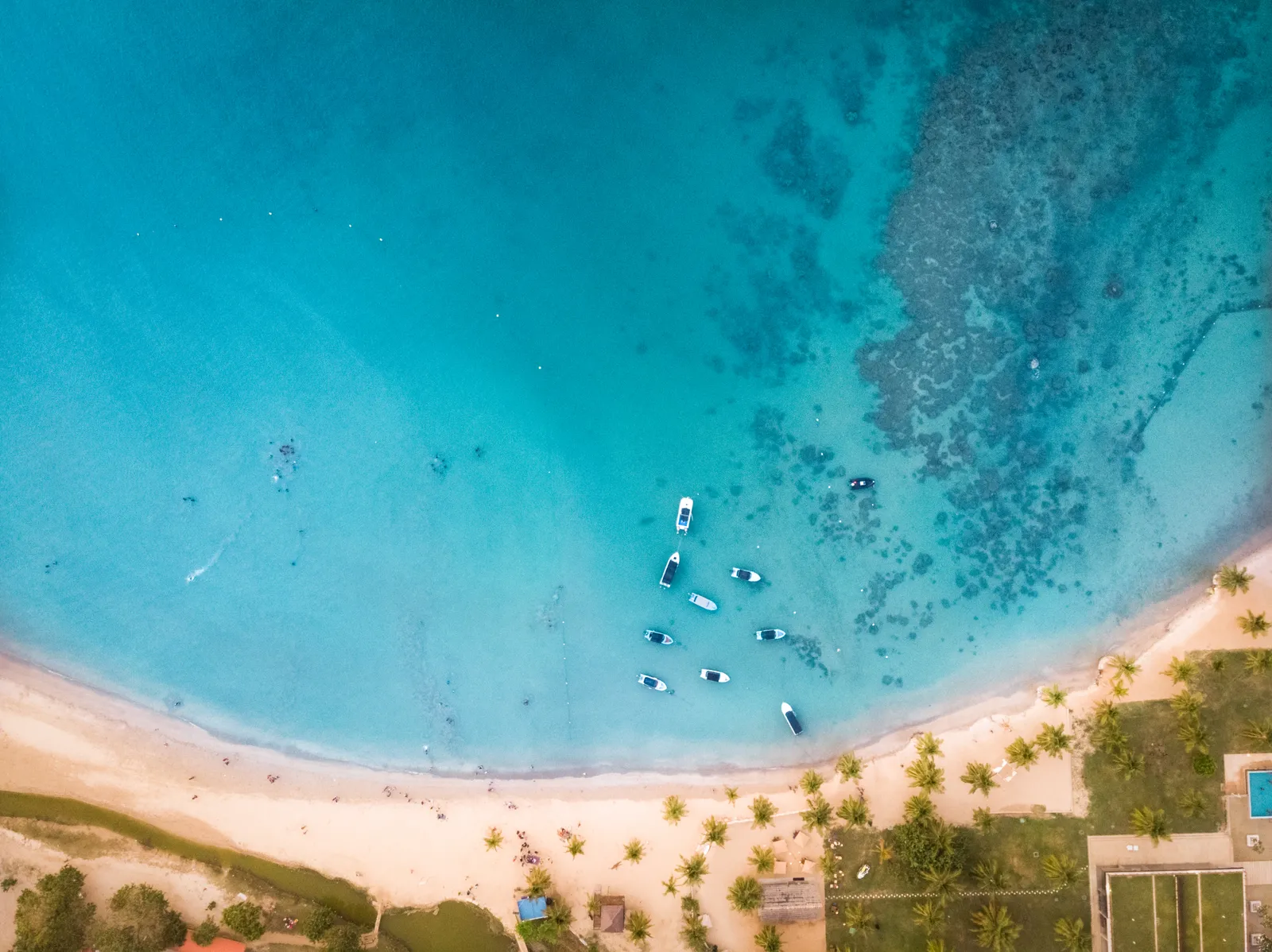
Pasikudah is another eastern beach base, with accommodation around its bay. The aerial photograph at the start of this guide shows boats, palms and the sandy shoreline here. It describes a photographed scene, not today’s conditions or a promise about water depth.
Compare the particular property and stretch of beach, including access, meals and facilities that matter to your group. If swimming or a pool is important, discuss those needs directly rather than assuming every stay offers the same experience.
Give an eastern detour enough time to be worthwhile. Choosing Pasikudah as a dedicated stay can be more useful than treating it as an extra stop on a route already centred on the southern coast.
Beach walks, swimming and surfing ask different questions.
Time by the sea may mean walking on sand, reading near the shore, swimming or taking a surf lesson. Say which matters most to you. A beautiful beach and a suitable swimming place are different questions, and conditions can change during the same stay.
Sri Lanka’s beaches can have dangerous surf and rip currents at certain times. Get current advice from your accommodation or a local operator before entering the sea, and follow local warnings. Seasonal averages and photographs cannot establish safety.
With children or companions who have practical needs, discuss shade, beach access, steps, meals and alternatives to swimming. Confirm specific facilities with the property. There is no blanket family suitability or accessibility promise for these five destinations.
For surfing, consider Weligama, Hiriketiya or Arugam Bay through our separate guide. Match ability and travel month to the actual break, and clarify lessons and equipment separately from road transport.
Leave time for the beach after joining the other dots.
Choose the cultural sites, hill-country walks or safari that matter most, then decide where the coast fits. A southern finish and an eastern stay lead to different route discussions. Fixed hotels and flight dates should come before a long list of extra stops.
Use our map to explore where destinations sit and share the stops you have in mind. It is a starting point for a conversation, not a driving-time calculation. We can discuss the order, vehicle and road transfers around your dates and pace.
What to share when choosing your coast
Share only what you already know. The remaining questions can be discussed as the plan becomes clearer.
- Travel month, total nights and arrival/departure plans
- How many nights you would like by the coast
- Beach walks, swimming, surfing or time at your accommodation
- Preferred atmosphere and access to meals or outings
- Children’s ages, mobility and practical needs to consider
- Booked hotels and other destinations in route order
- Facilities to confirm, such as a pool, shade or step-free access
Things worth asking before you decide.
Which Sri Lankan coast should I choose for my month?
The south and west are usual choices in the winter months; consider the east from May–September. March–April and October–November are transition periods. Use these patterns to start planning, then check conditions for the actual beach and dates.
What about a beach stay in April or October?
Keep the plan flexible. April is part of the first intermonsoon, while October begins the second, which can bring showers across the island. Neither month is a fixed switch between coasts or a guarantee of calm seas.
Can I visit a beach outside its usual season?
A coastal stay may still fit your plans, but think about the property, alternative outings and what you want to do by the water. Confirm current conditions and arrangements rather than assuming the same swimming or activity options operate throughout the year.
Which beach is best for children?
Choose by your children’s ages and needs, the property’s facilities, access and local conditions. Ask about shade, meals and a pool if important. A sheltered-looking photograph or a popular family label is not proof of safe swimming.
Where can I find a quieter beach stay?
Discuss the particular property and stretch of shore, as well as your dates. Tangalle’s individual beach settings and eastern bases are options to compare, but crowding and atmosphere vary. No destination can guarantee solitude.
Can I combine the beach with safari and hill country?
Yes, these can be discussed within one route, but your nights, travel dates and fixed hotels determine what fits comfortably. Choose priorities and leave time to settle at the coast rather than adding every destination.
Should I choose the same base for surfing and a general beach stay?
It depends on what matters most. Surf planning needs the actual break, ability, travel month and lesson arrangements. Our surfing guide compares Weligama, Hiriketiya, Arugam Bay and Hikkaduwa; use it before choosing a surf-focused stay.
Sources and review date.
Practical arrangements still need confirmation for your dates. Information reviewed 8 October 2026.
Tell us what you know so far.
We can discuss the practical route, vehicle and quotation before anything is confirmed.