An island of colour.
A world of gemstone stories.
Discover Sri Lanka’s gemstones and Ceylon sapphires. Explore the colours, compare places to visit and know what to ask before buying.
Begin exploringSri Lankan stones.
Worldwide stories.
A royal connection
Garrard identifies the centre stone in Diana’s engagement ring as a Ceylon sapphire.
The maker’s storyThe Logan Sapphire
A 423-carat sapphire mined in Sri Lanka, now in the Smithsonian collection.
Smithsonian collectionThe Star of India
Its museum record traces this 563.35-carat star sapphire to Sri Lanka.
Museum recordMeet the gemstones.
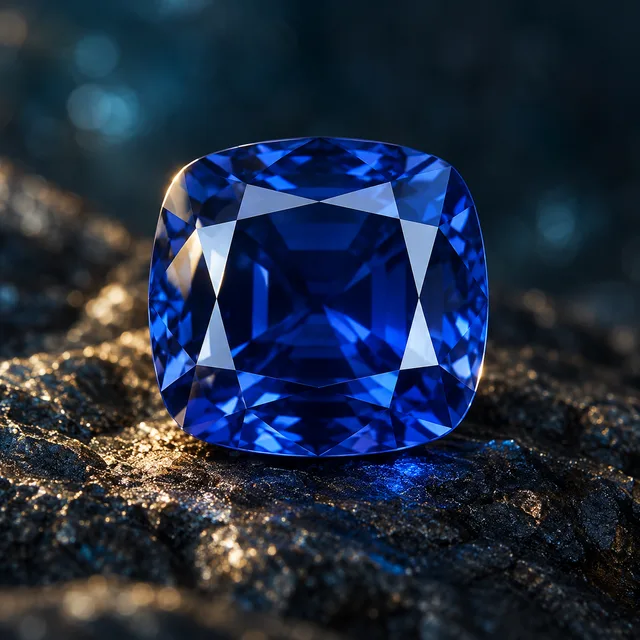 IllustrationBlue sapphire Discover this gemstone
A rich blue. An island connection.
The blue variety of corundum, closely associated with Sri Lanka’s gem heritage. Ask about natural or laboratory-grown origin and treatment for the individual stone.
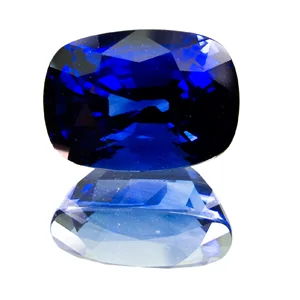

Gem-type example; mining origin not established. Source & licence
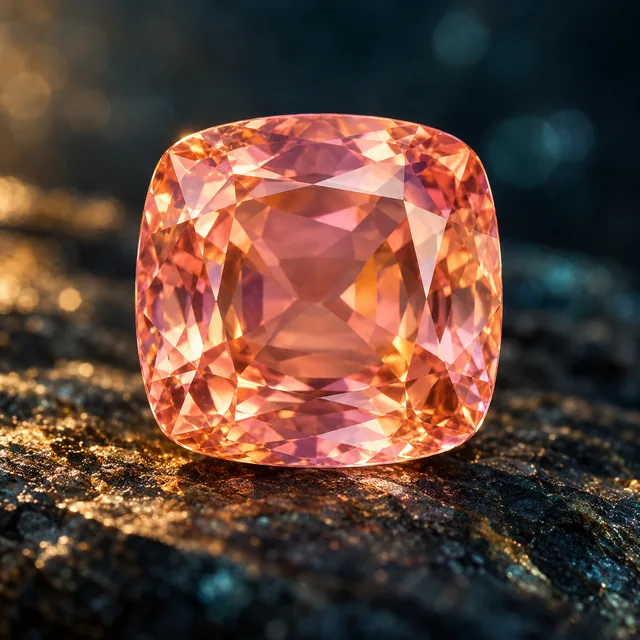 IllustrationPadparadscha Discover this gemstone
Where pink meets orange.
A sapphire colour combining pink and orange. Colour descriptions require care; ask how the actual stone is identified and whether its report addresses treatment.
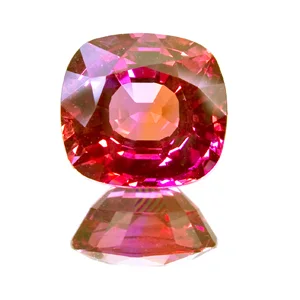

Identified as padparaja sapphire by the source; mining origin not established. Source & licence
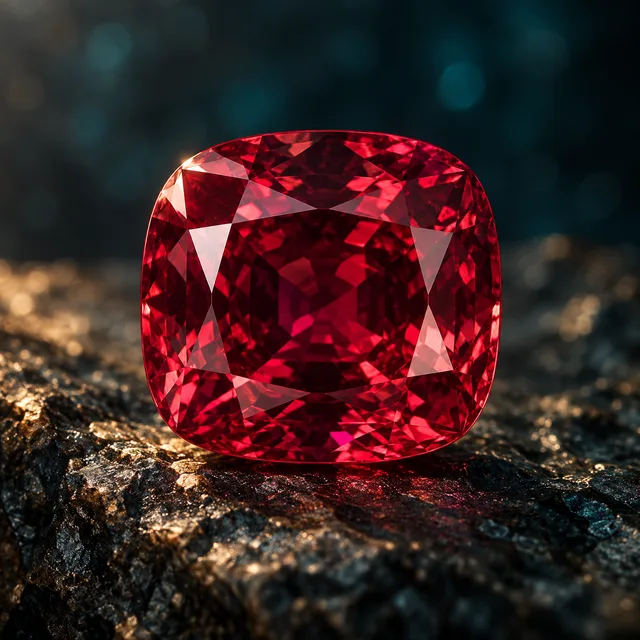 IllustrationSpinel Discover this gemstone
Colour with a character of its own.
A gem in its own right, separate from ruby and sapphire. Spinel occurs in several colours; the red artwork is an illustration, not a documented specimen.
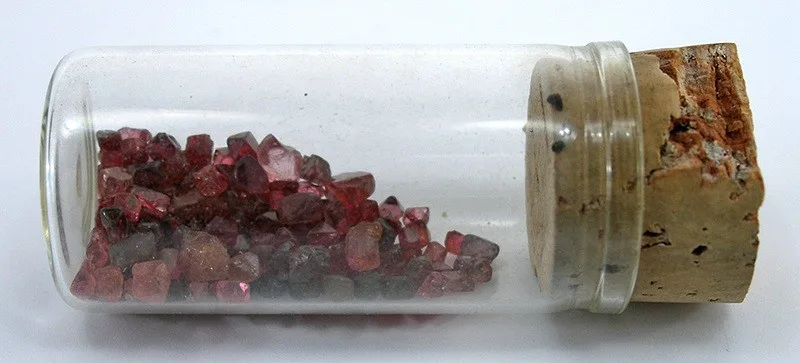

Sri Lankan rough spinel crystals, up to 3 mm according to the source. This photograph is distinct from the illustrated cut stone. Source & licence
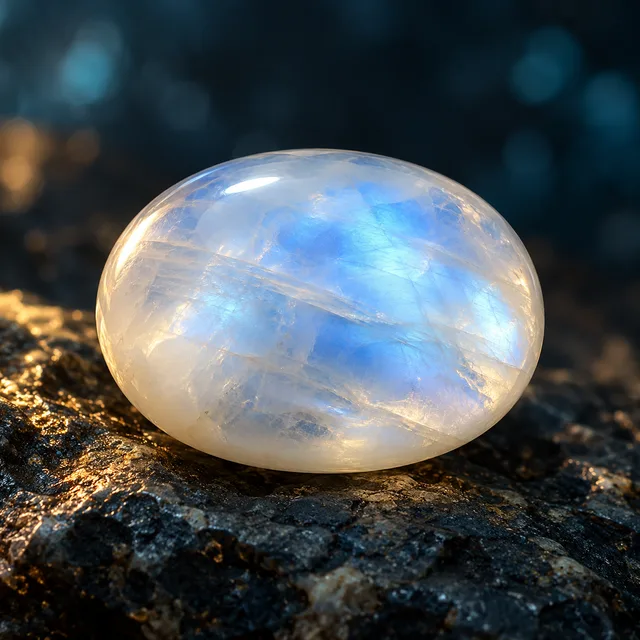 IllustrationMoonstone Discover this gemstone
A softer glow. A floating sheen.
Feldspar with a floating, light-catching sheen. The real specimen photograph below is attributed to Meetiyagoda by its photographer. Ask about the identity and provenance of the stone you are buying.
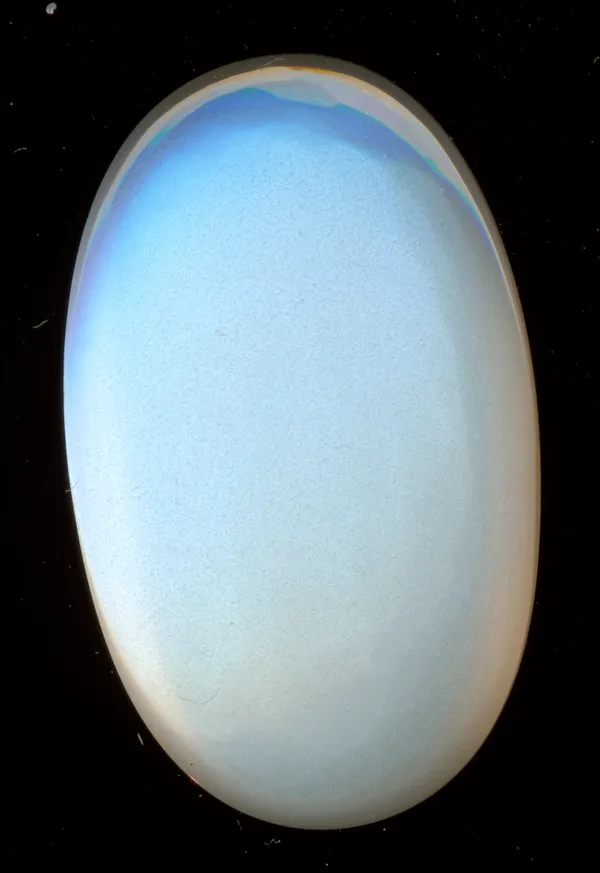

Source identifies Meetiyagoda, Sri Lanka; photographed in 2006. Source & licence
AI-generated illustrations · Select a gemstone to read more. Real specimen photographs are included where available.
Discover eight more gem types
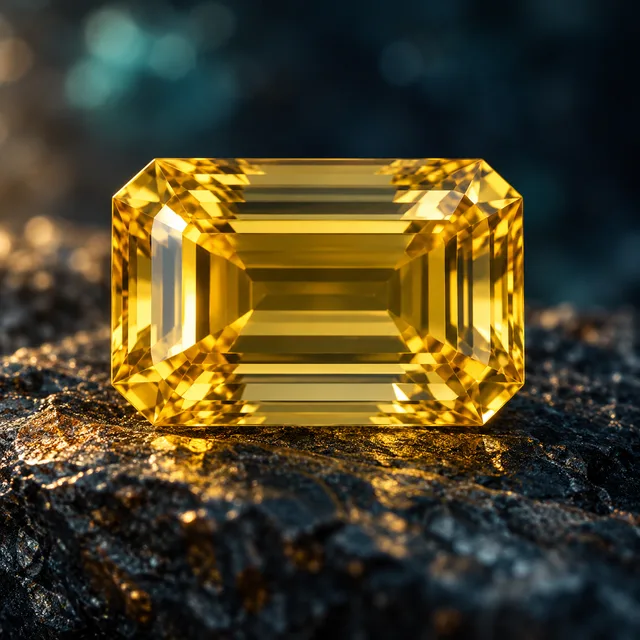 IllustrationColoured sapphires Discover this gemstone
Sapphire goes beyond blue.
Yellow and pink are among sapphire’s other colours. The illustration shows a yellow example; actual stones vary in hue and appearance.
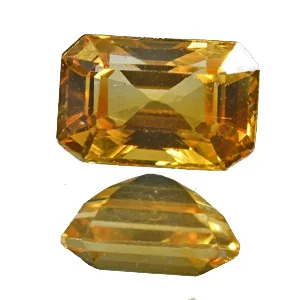

Gem-type example; mining origin not established. Source & licence
Read the gem reference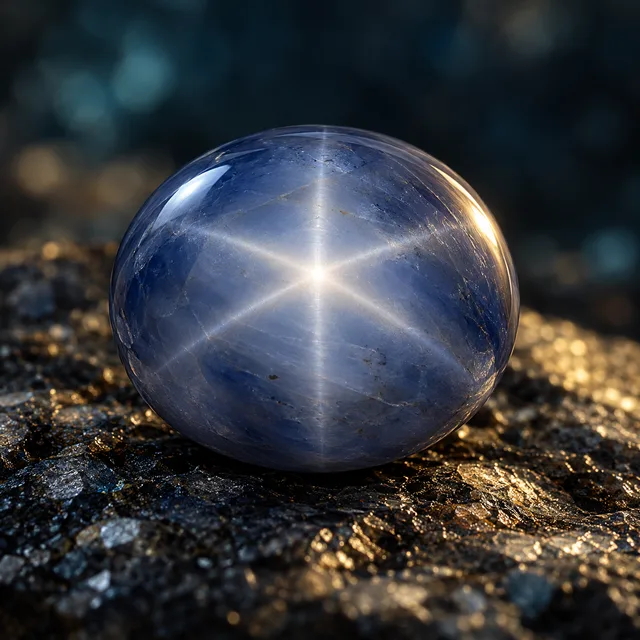 IllustrationStar sapphire Discover this gemstone
A star revealed by light.
A rounded cabochon can reveal a star-shaped reflection called asterism. Move the stone under a light to see how the effect appears.
Read the gem reference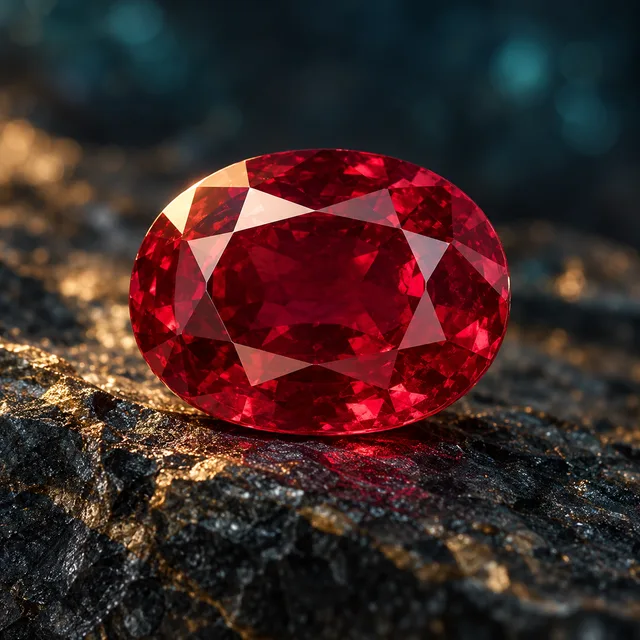 IllustrationRuby Discover this gemstone
Corundum in red.
Ruby is the red variety of corundum, the same mineral family as sapphire. Ask for the individual stone’s identity and treatment information in writing.
Read the gem reference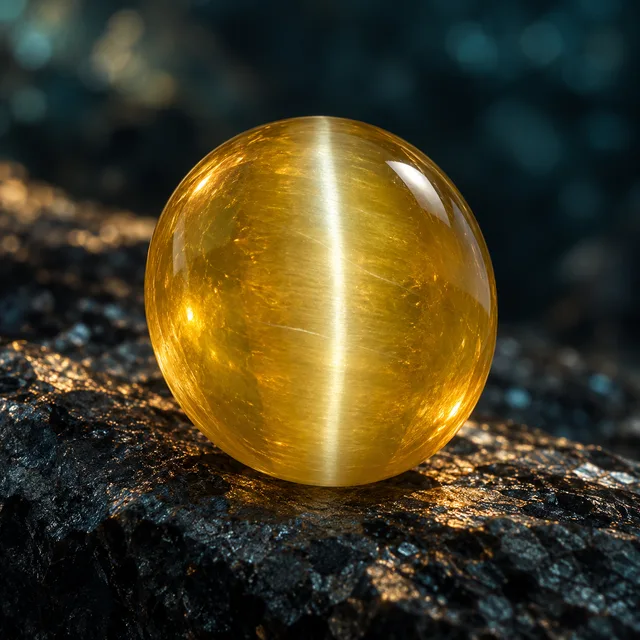 IllustrationChrysoberyl cat’s-eye Discover this gemstone
A narrow band of moving light.
Polished chrysoberyl can show a silvery band across its surface. The rounded cut helps reveal this optical effect, known as chatoyancy.
Read the gem reference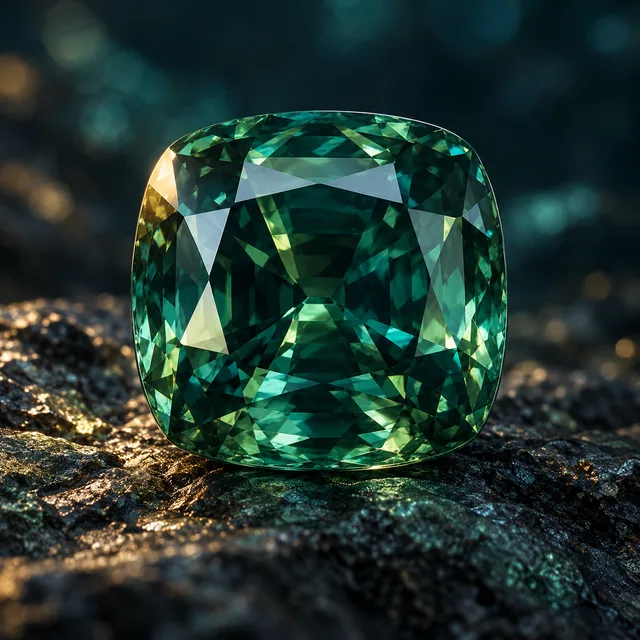 IllustrationAlexandrite Discover this gemstone
Different light. A different colour.
A colour-change variety of chrysoberyl, found in Sri Lanka and elsewhere. Compare the actual stone under different light sources; this green illustration does not demonstrate a measured colour change.
Read the gem reference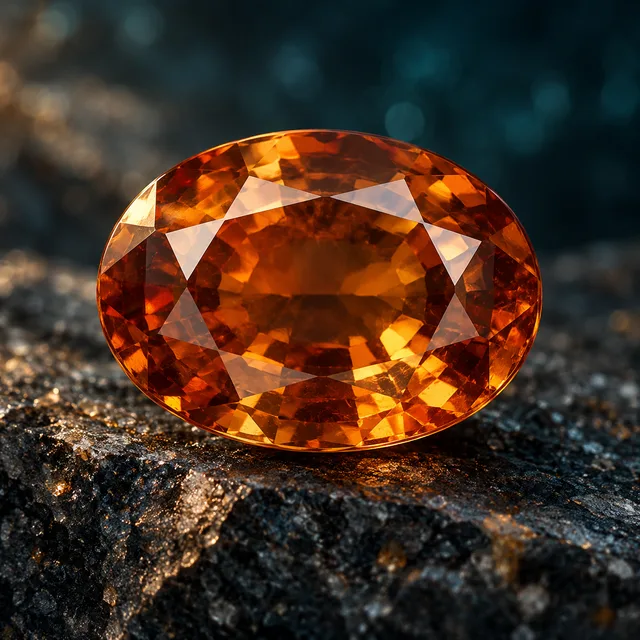 IllustrationGarnet Discover this gemstone
A family with many colours.
Garnet is a group of related minerals. The illustration represents a cinnamon-orange hessonite example, rather than every colour in the family.
Read the gem reference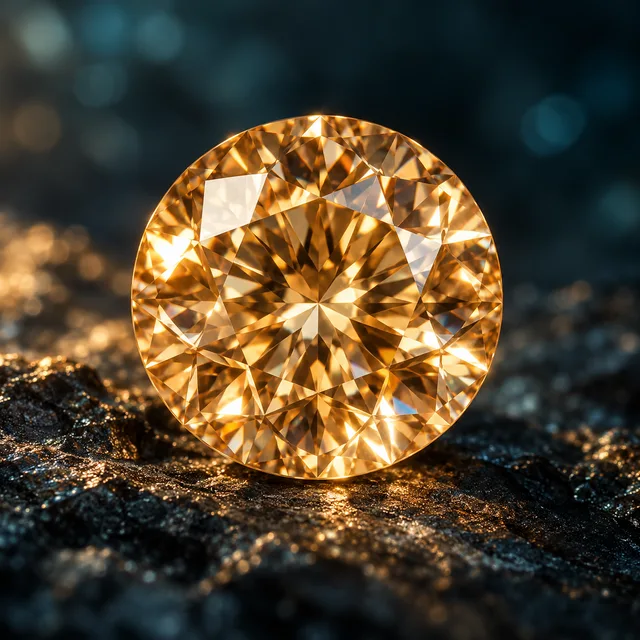 IllustrationZircon Discover this gemstone
A natural gem with its own identity.
Zircon occurs in a range of colours. It is a natural gemstone, distinct from the manufactured material cubic zirconia. The illustration shows a golden example.
Read the gem reference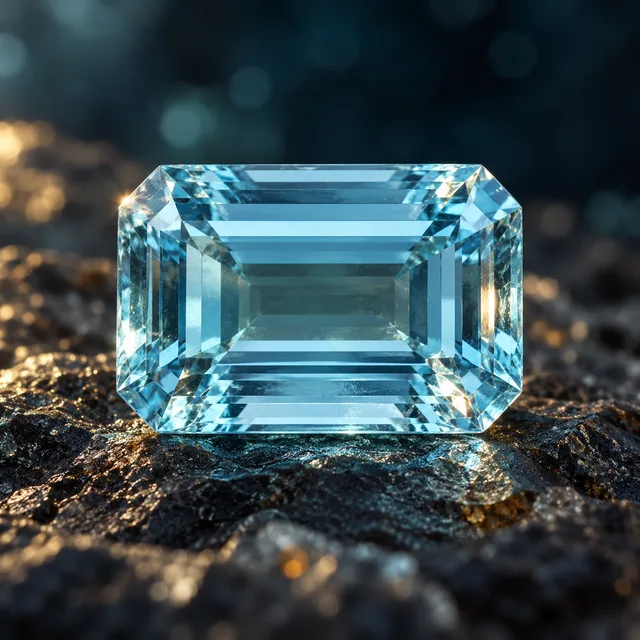 IllustrationAquamarine Discover this gemstone
Sea-like colour in beryl.
A blue to greenish-blue variety of beryl. Its often delicate colour makes the cut and lighting part of how a finished stone appears.
Read the gem referenceThese twelve entries are a selection, not every gemstone found on the island. NGJA also describes tourmaline, topaz and quartz. Specimen photographs are examples, not items for sale. See individual image descriptions and credits. Reference: NGJA gemstone guide and GIA zircon guide.
From gemstone
to jewellery.
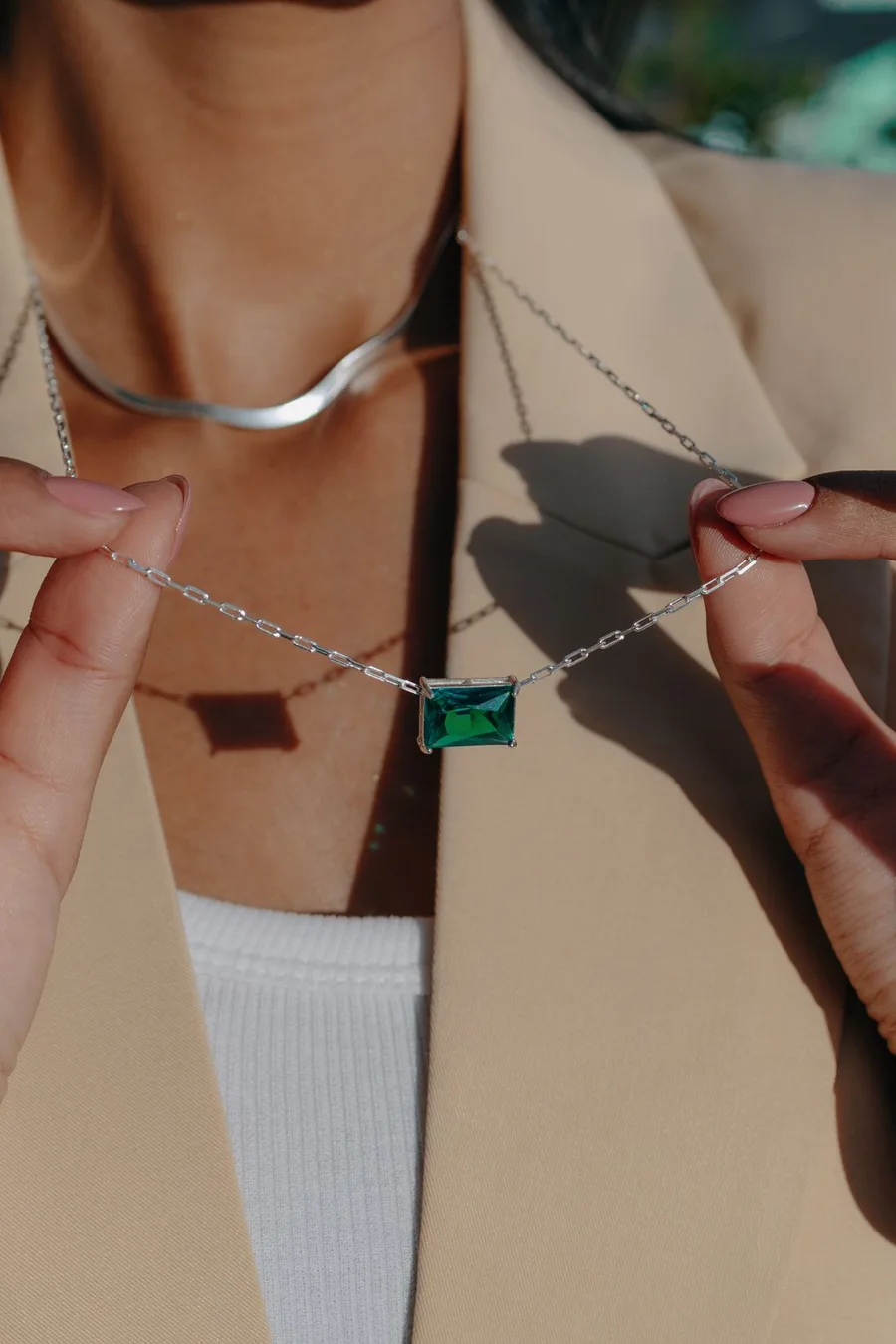
A little colour.
A personal expression.
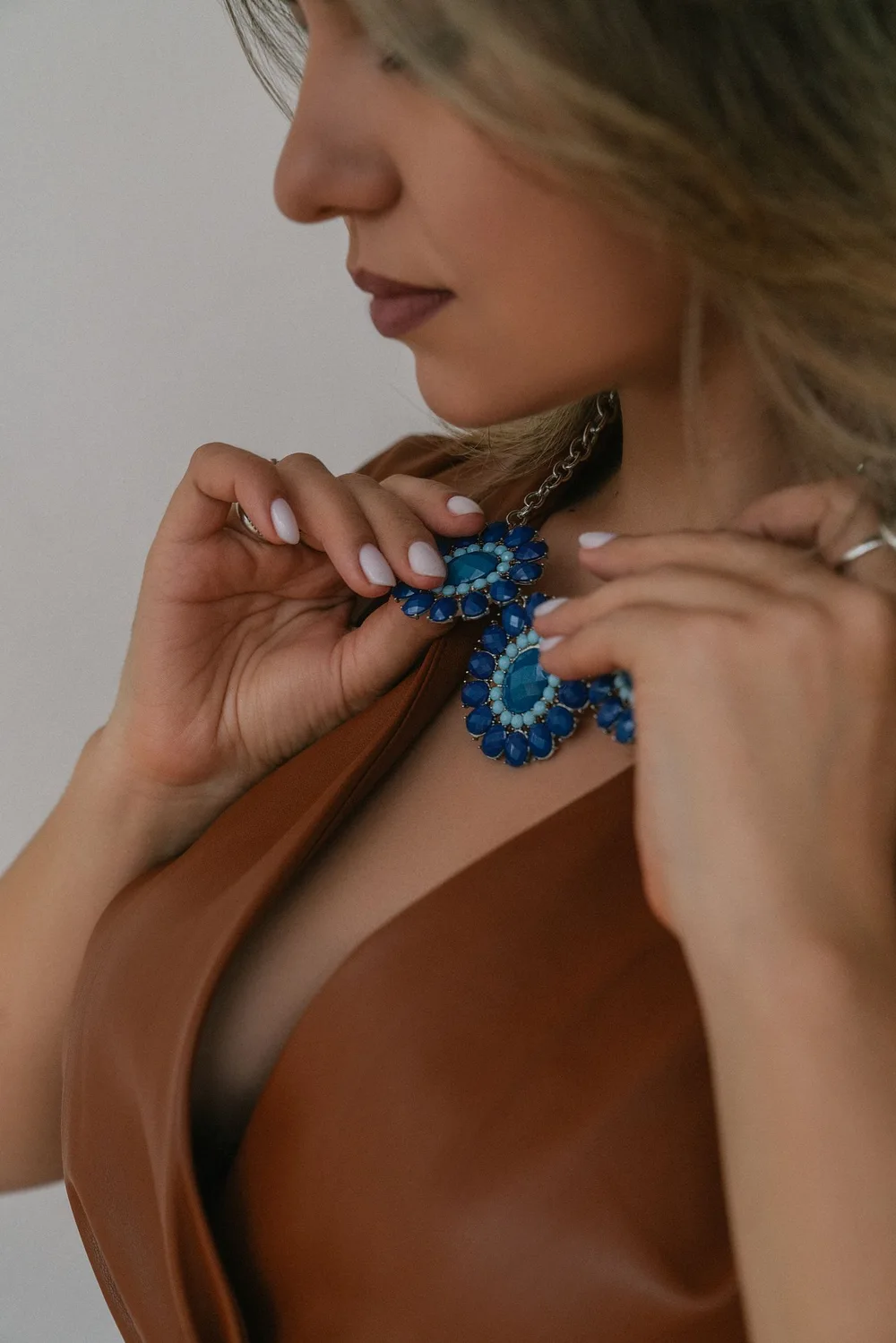
A pendant that catches the light. A ring that feels like you. Explore the colours and settings you enjoy before choosing a piece to make your own.
Explore where to buyStyling photographs, not items offered for sale. Gemstone identity and Sri Lankan origin are not established.
Choose the experience
that interests you.
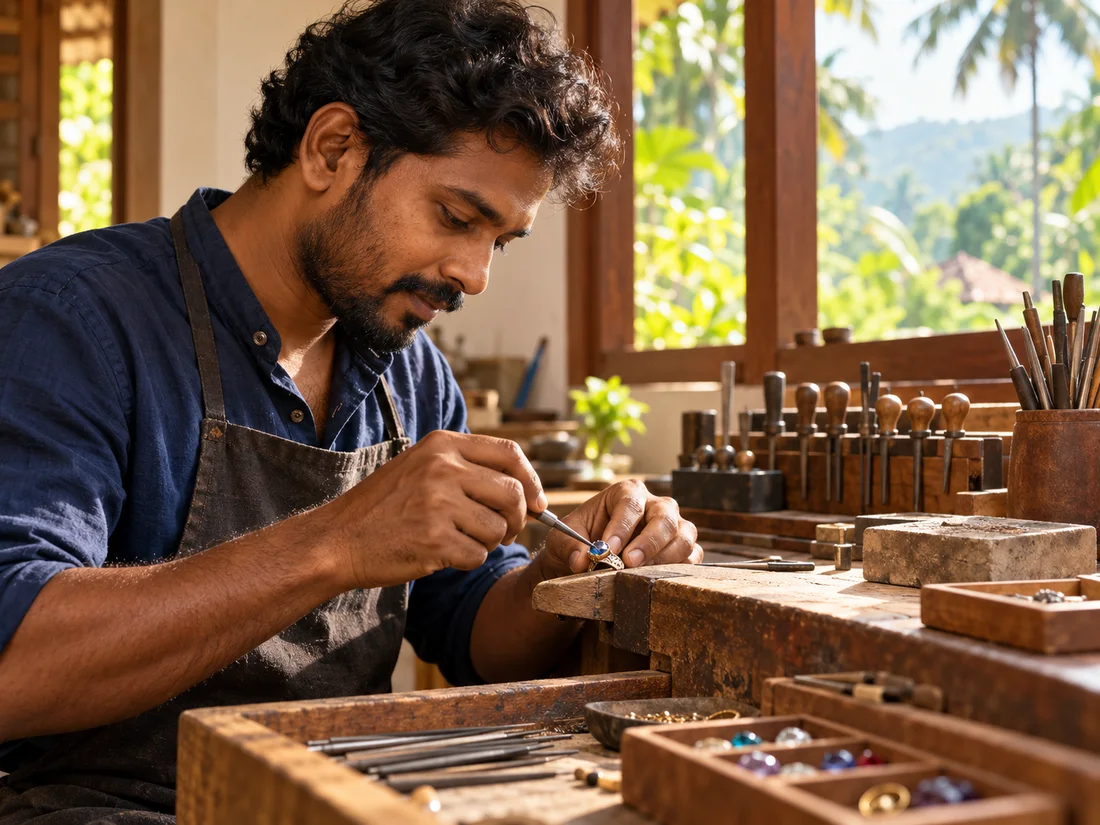
Learn about gems
A museum, a showroom film and a workshop offer different ways to explore the craft.
Research where to buy
Find company-published locations and questions to ask before choosing a stone.
Make it part of your journey
Tell us what interests you and we can discuss the transport and visitor arrangements.
Showroom learning in Kandy
Amith advertises a museum, film and lapidary facilities. Tiesh describes film, replica-mine and jewellery-workshop features; confirm which branch offers them.
Explore Ratnapura’s heritage
The provincial tourism page describes heritage and geology at the National Museum in Ratnapura. Its current opening status is not confirmed here: check with the Department of National Museums before planning a visit. The NGJA Demuwawatha centre is a resource for trading information and laboratory facilities.
Check current visitor access, demonstrations and fees directly before travelling. A replica mine is a demonstration setting, not a working mine.
Which gem stop
is right for you?
Start with where you are staying and whether you want to learn, browse jewellery or explore the trade. A showroom visit and a specialist gem trail are different experiences.
Colombo · browse and compare
Research the Colombo branches below if you already have time in the city. Ask to see individual stones, written specifications and jewellery settings.
Discuss a Colombo stopKandy · learning and showrooms
Consider a stop during your Kandy stay. Ask which branch offers a film or demonstration, its duration and whether a learning-only visit is possible.
Discuss a Kandy stopRatnapura · a dedicated interest
For a deeper interest in the gem trade, discuss Ratnapura separately when planning your route. Mine, workshop and laboratory access must be arranged and confirmed individually.
Discuss a Ratnapura visitBefore agreeing a stop, confirm visitor access, time, fees and any shopping expectations. Tell us if you want learning only. Transport planning is separate from gemstone identification or valuation.
A few good questions
go a long way.
Ask about the individual stone, its report and the written terms.
- What is the gemstone, and is it natural, laboratory-grown or an imitation?
- Has it been treated? Can the answer be put in writing?
- What does its report cover, and can you verify it?
- Does the invoice describe the exact stone or jewellery?
- What are the written return, repair or alteration terms?
NGJA offers different report types, including reports addressing heat treatment. Check an NGJA report. An identification report is not a price guarantee.
A little more
before you go.
Which gemstones are found in Sri Lanka?
Sapphires, ruby, spinel, chrysoberyl, garnet, zircon, moonstone, tourmaline, topaz and quartz are among the gems described in the NGJA’s gemstone reference. Gem names can refer to mineral families, varieties or optical effects, so these are not all separate species.
What does Ceylon sapphire mean?
Ceylon is Sri Lanka’s former name. In the gem trade, the name connects sapphire with the island. Ask for evidence of the individual stone’s origin; buying it in Sri Lanka does not prove it was mined here.
Can I learn about gems without buying one?
A public museum visit can focus on geology and heritage. Commercial showrooms may offer films or demonstrations alongside retail. Tell us whether you want learning, shopping or both, and confirm any admission or demonstration arrangements beforehand.
Is a replica mine the same as a working mine?
No. A replica mine is a demonstration setting. A working mine is an operational site with its own access conditions; a showroom description does not establish access to one.
Where can I check a gem report?
Use the issuing laboratory’s verification service. For NGJA reports, start with its official certificate verification page and check which report type applies. Identification and treatment information are different from a guarantee of price or investment return.
How much should I budget for a gemstone?
There is no single price for a “Sri Lankan sapphire”. Colour, clarity, cut and carat weight affect value; treatment information also matters. Set a spending limit and compare written quotes for the actual stones, including any setting, report and alteration costs. See GIA’s sapphire quality factors. This guide does not offer valuations or guarantee lower prices than at home.
Is a heat-treated sapphire fake?
Heat treatment and natural origin are different questions. A naturally formed sapphire can be heated to change its appearance; “natural” does not mean “untreated”. Ask for written treatment information and an appropriate laboratory report. GIA explains heat treatment; its treatment guide also explains why care requirements can differ.
What should I ask before taking gems or jewellery home?
Before paying, check with NGJA and Sri Lanka Customs which export steps apply to your purchase and method of taking it home, and who handles them. Check your destination country’s customs rules too. Keep the itemised invoice, laboratory report and payment record; a gem report alone does not establish customs clearance or tax exemption.
How can I keep a visit comfortable and independent?
Agree in advance whether the stop is for learning, shopping or both. Ask about any referral arrangement, decide your own spending limit and take time to compare. If you feel rushed, pause the purchase. A return policy, resale promise or valuation should be put in writing and assessed separately from a tour recommendation.
Can a gem-related stop fit into my private tour?
Tell us the experience and your overnight bases. We can discuss transport and check visitor arrangements before you confirm. Entry, demonstrations, specialist advice and purchases are separate unless explicitly agreed.
Make gems part of
your Sri Lanka story.
Interested in learning, browsing or a particular place? Tell us which, and we can discuss how it fits your journey.
Discuss a gem visitEntry, demonstrations, specialist advice and purchases are separate unless explicitly agreed.
Photography, sources & credits
Prepared by CEYLON STORYLINE as a traveller introduction. Information reviewed . Linked institutions and businesses provide the underlying references; opening hours, fees and visitor access need direct confirmation.
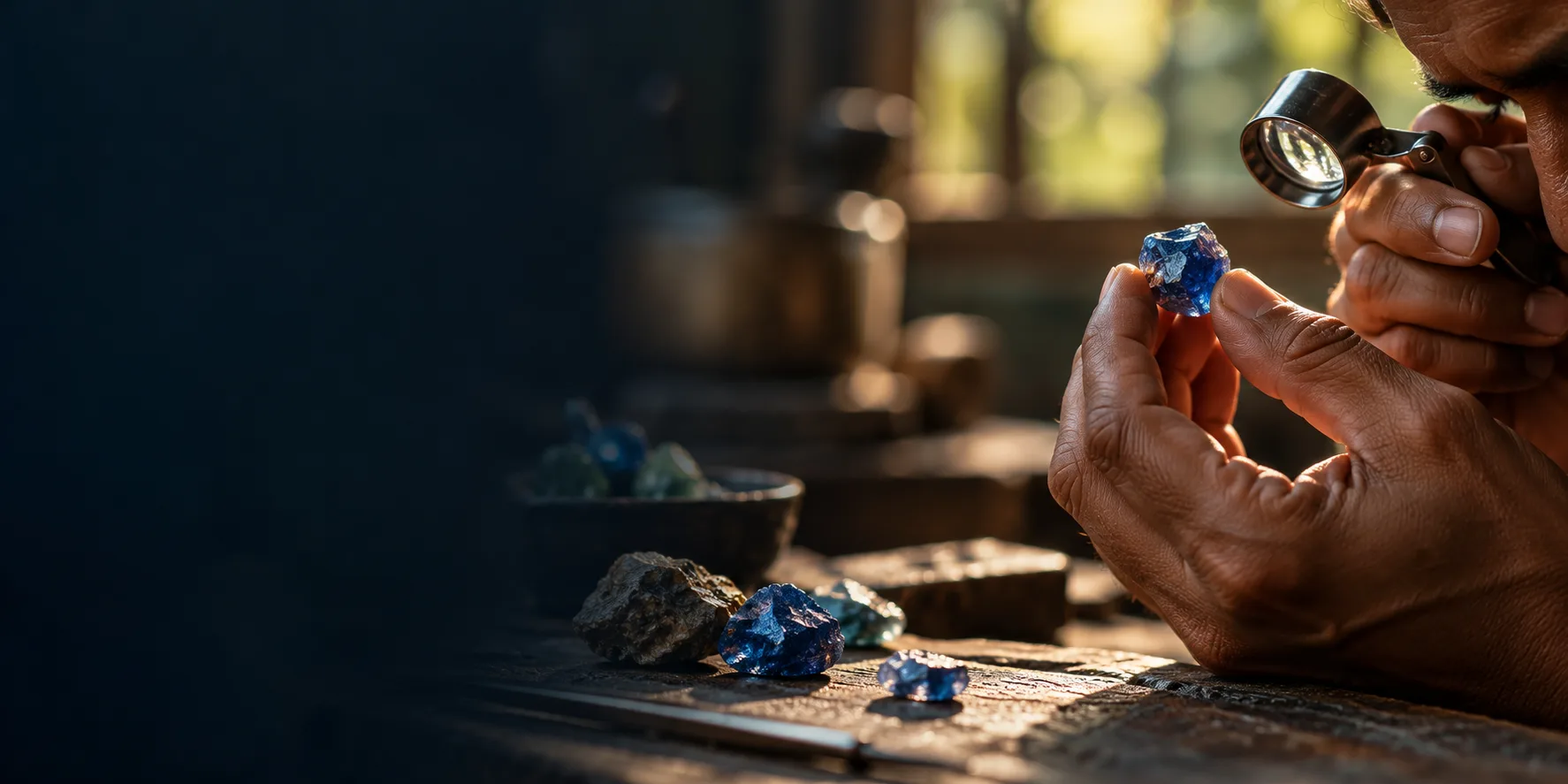
The hero, twelve gallery covers and craft scene are AI-generated editorial artwork. They are not evidence of a specimen, person, business or experience. Some expanded gemstone details also include real specimen photographs, independently credited below. This gallery is an introduction to selected gem types, not an exhaustive mineral catalogue.
Photographs converted to WebP; displayed crops vary by screen. Adapted CC BY-SA photographs retain their respective licences. No endorsement is implied.
Woman adjusting a statement necklace with blue decorative stones · Юлиана Маринина / Pexels · Pexels licence. Cropped and converted to WebP for jewellery styling inspiration; mineral identity, origin and availability are not established.
Close-up of a woman holding a silver-coloured chain with a green pendant · Sandro Tavares / Pexels · Pexels licence. Cropped and converted to WebP for jewellery styling inspiration; mineral identity, origin and availability are not established.
Loose cushion-cut blue sapphire and its reflection on white · Wiener Edelstein Zentrum · CC BY-SA 3.0. Gem-type example; mining origin not established.
Loose cushion-cut pink-orange sapphire and its reflection on white · Wiener Edelstein Zentrum · CC BY-SA 3.0. Identified as padparaja sapphire by the source; mining origin not established.
Loose emerald-cut yellow sapphire and its reflection on white · Wiener Edelstein Zentrum · CC BY-SA 3.0. Gem-type example; mining origin not established.
Small red spinel crystals in a glass specimen vial · Rob Lavinsky, iRocks.com · CC BY-SA 3.0. Sri Lankan rough spinel crystals, up to 3 mm according to the source. This photograph is distinct from the illustrated cut stone.
Oval moonstone with a blue sheen against a black background · Wouter Hagens · Public domain. Source identifies Meetiyagoda, Sri Lanka; photographed in 2006.