
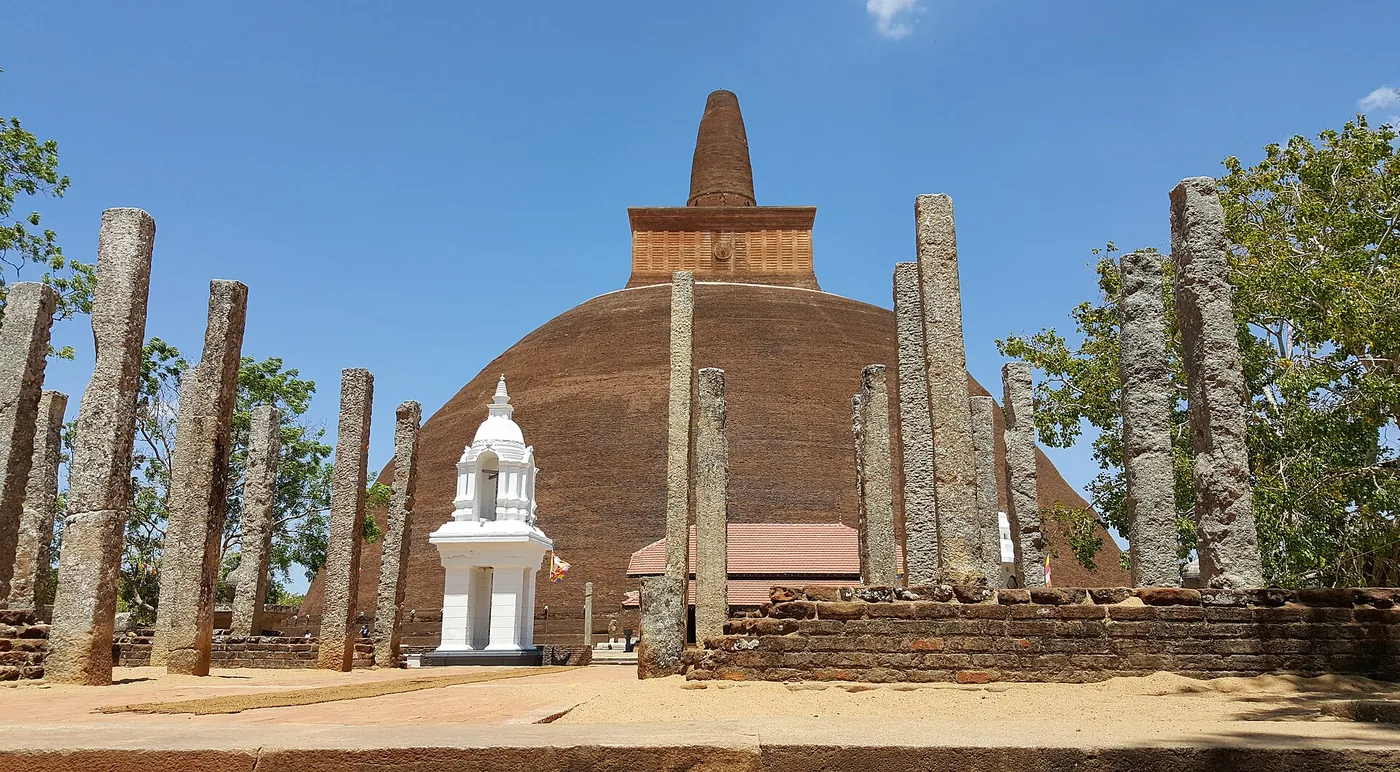
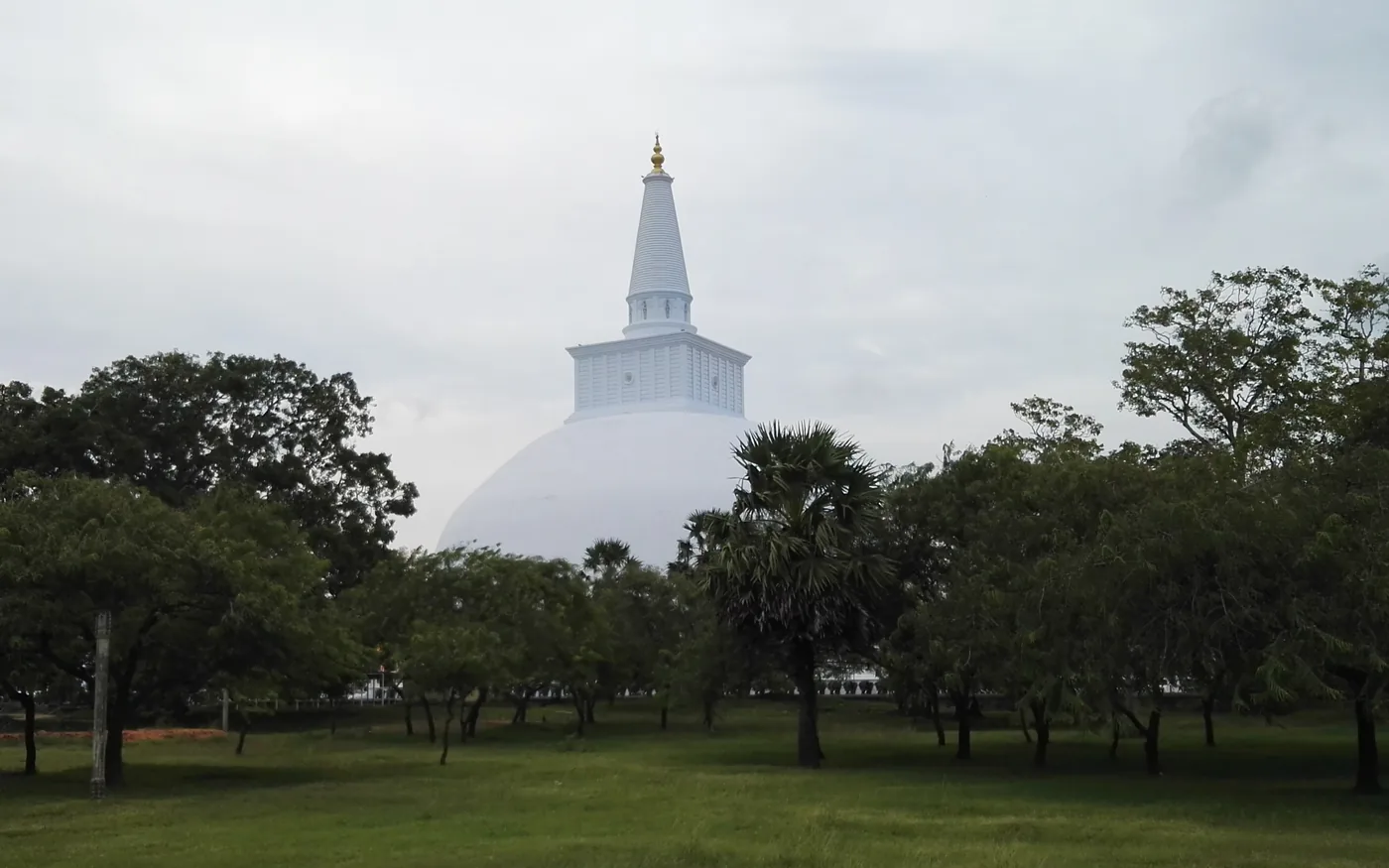
Abhayagiri is more than the large brick stupa that first catches your eye. Think of it as a wider monastic landscape, with carved stonework and neighbouring places that reward a slower exploration. Decide which features interest you before filling the day with distant stops.
See the stupa as part of a monastery
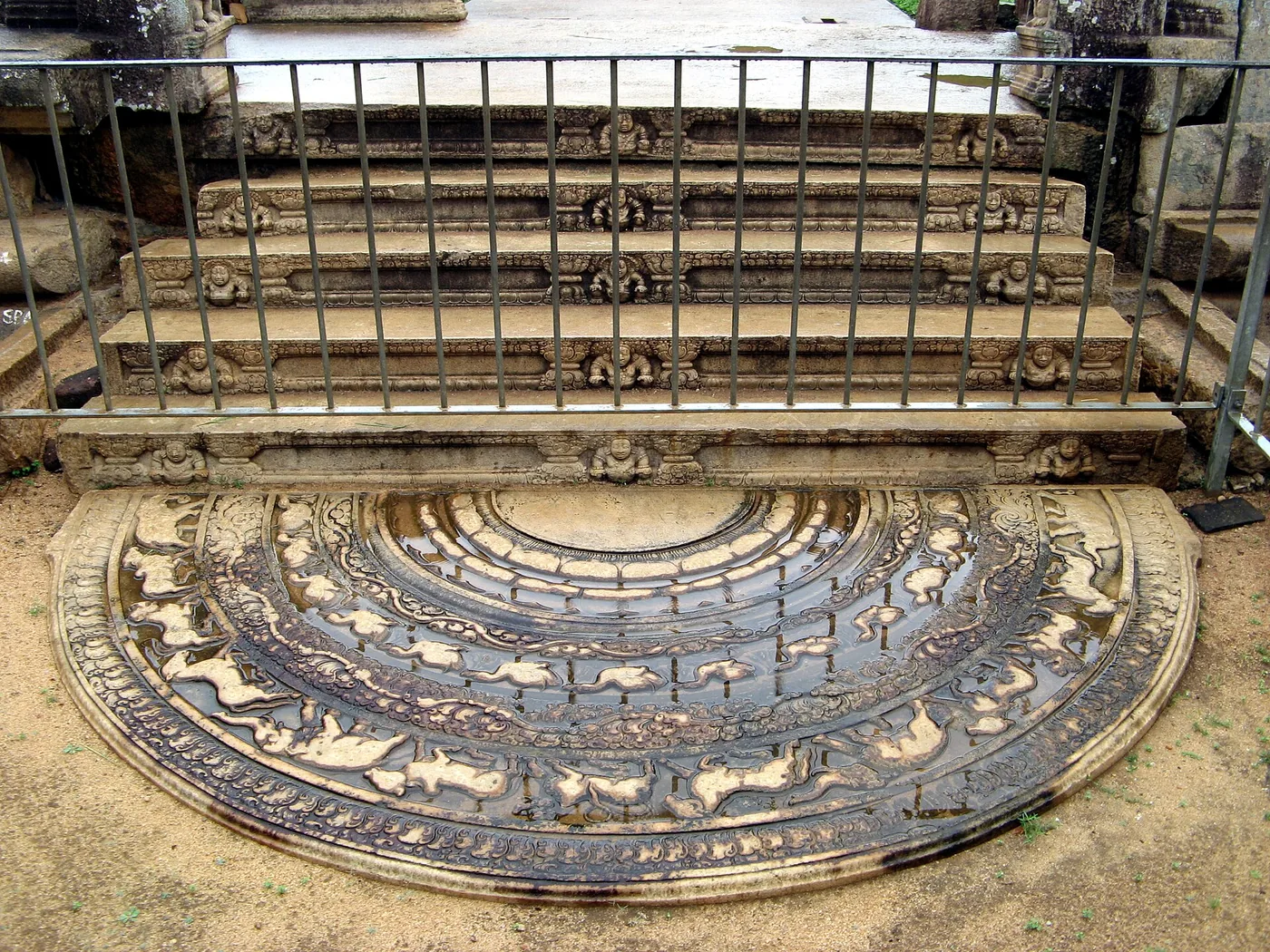
Begin with the dome and its relationship to the remains around it. Then choose a few smaller features to examine. A giant monument and a carefully cut entrance stone tell different parts of the story; there is little benefit in racing past the latter just to collect another stupa photograph.
Keep room for questions about the organisation of monastic life. An interpretive guide can explain how the individual remains relate to a larger complex, while your driver arrangement can support transfers between selected stopping points.
Moonstones, Samadhi Buddha and the Twin Ponds
Look for the carved semicircular entrance stones known as moonstones, or sandakada pahana. Study the repeated bands and the relationship with the steps above them from outside protective barriers. Interpretations of the symbolism deserve explanation rather than a single unquestioned caption.
Choose Samadhi Buddha for a focused encounter with a seated meditation image, or Kuttam Pokuna for stonework and water engineering. Both add variety to an Abhayagiri-area visit. Your selection should reflect the time you want to spend looking, not simply the number of nearby names.
Shape it into a wider route.
Give the Abhayagiri area its own part of the day. Combine selected ruins and carvings with Samadhi Buddha or the Twin Ponds, and keep the main Bodhi-tree and Ruwanwelisaya precinct as another visit group.
Plan around the details.
Agree which parts of the wider complex you want to see. Bring water, stay on permitted paths and leave carved stones untouched. Confirm current ticket arrangements; a driver and an interpretive guide are separate services to discuss.
Questions before you visit
Is Abhayagiri just the stupa?
No. The name also refers to the wider monastery complex. The stupa is a landmark within a larger archaeological landscape.
Where can I see moonstones in Anuradhapura?
The Abhayagiri area is one place to study carved entrance stones. Ask for a route that includes the relevant ruins and observe the stones from outside any protective barriers.
Should I visit Abhayagiri or Jetavanaramaya?
Choose Abhayagiri if you want to combine a brick stupa with nearby carvings, Samadhi Buddha or the Twin Ponds. Jetavanaramaya offers another monumental brick-stupa setting. Seeing both makes sense when you have time to appreciate the differences.
Sources and more planning ideas
Explore within this destination
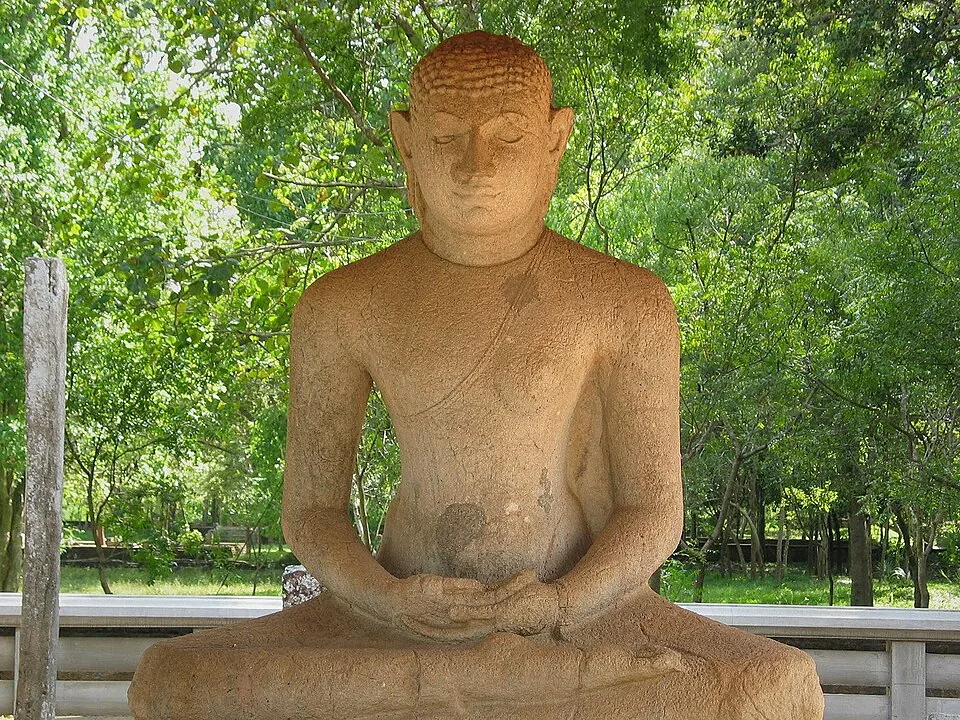
Samadhi Buddha Statue
Visit the Samadhi Buddha Statue in Anuradhapura’s Abhayagiri area, with ideas for quiet observation and nearby monastery and Twin Ponds visits.
Explore this destination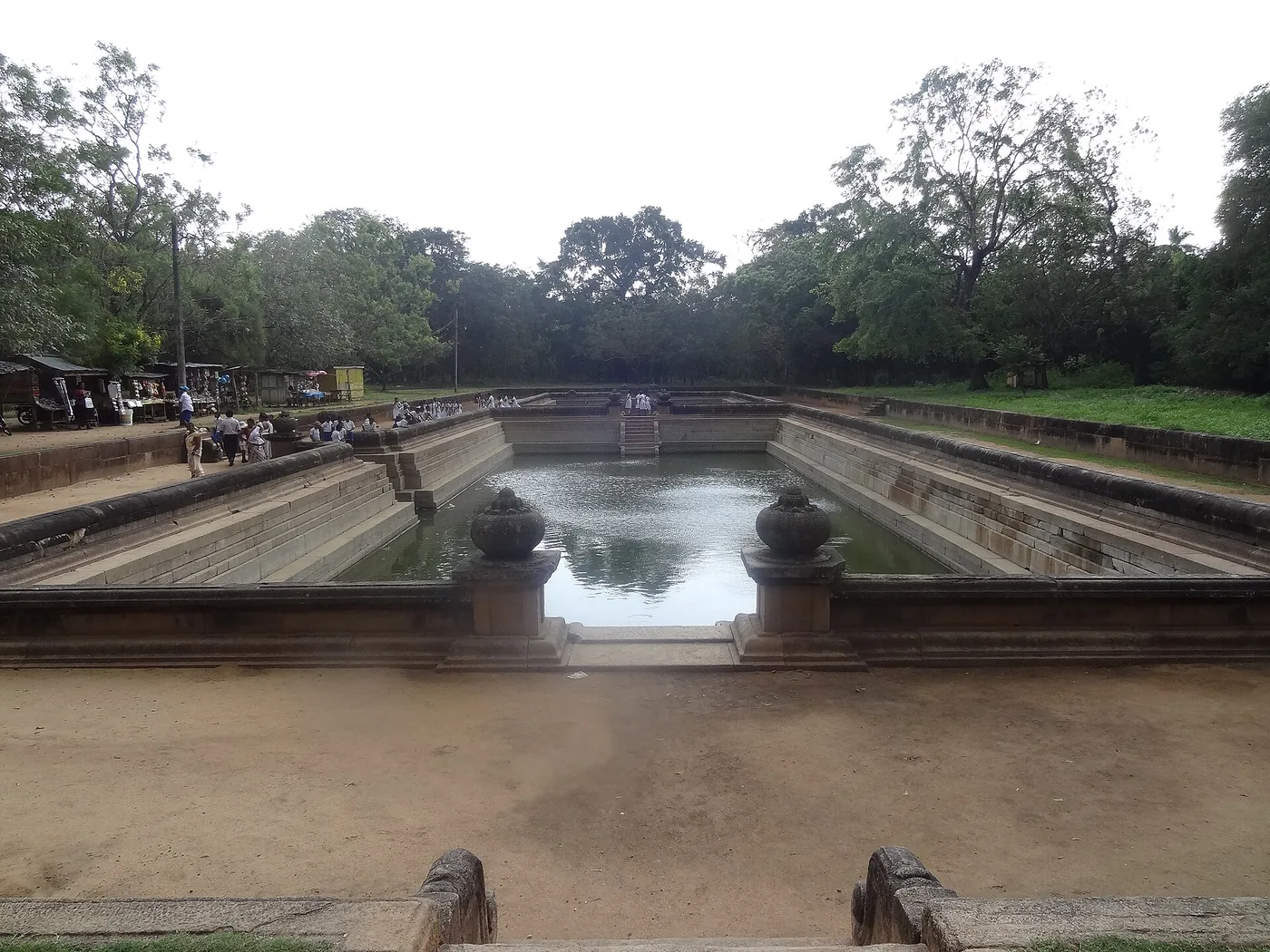
Kuttam Pokuna (Twin Ponds)
Explore Kuttam Pokuna, the Twin Ponds of Anuradhapura, with stonework details and ideas for combining them with Abhayagiri and Samadhi Buddha.
Explore this destinationDestinations to combine with your journey.
Anuradhapura
Plan an Anuradhapura visit around the eight sacred sites, stupas, carvings, Twin Ponds and reservoirs, with practical ideas for your time and pace.
Explore this destinationSacred City of Anuradhapura
Discover the eight sacred places of Anuradhapura, with context for the Bodhi tree, stupas, monasteries, moonstones, guardstones and reservoir landscape.
Explore this destinationWould you like to include Abhayagiri Monastery?
Share your dates, pace and other ideas. We will discuss the route, duration, transport and quotation personally.