
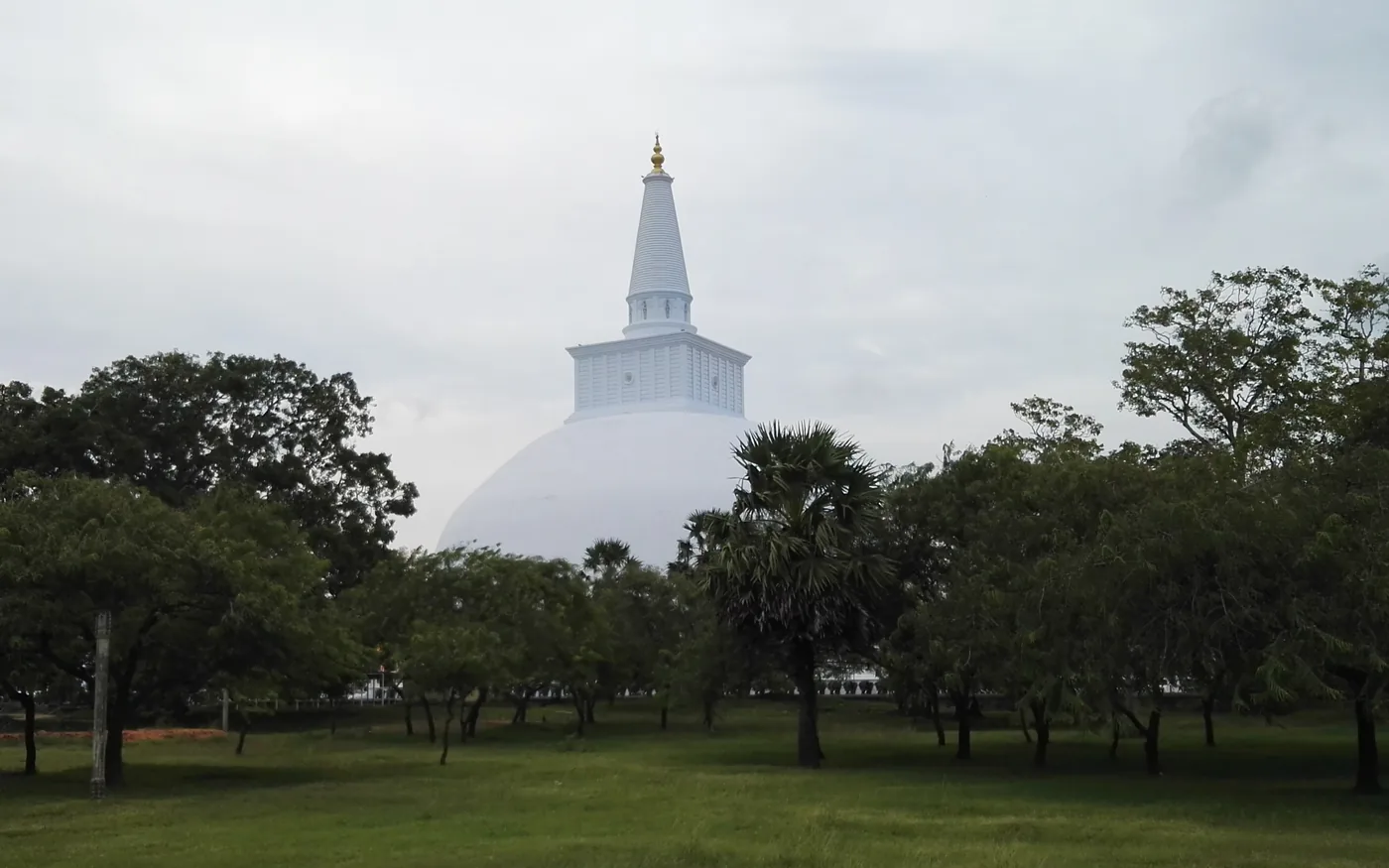
Anuradhapura rewards a choice of interests, not a race between monuments. You can spend time with Buddhist worship, look closely at carved stone, explore a monastery’s ruins or pause beside a reservoir. Use this guide to choose the places that matter to you and leave enough room to enjoy them.
A few reasons to stay curious.
Living sacred places
Choose tree precincts and stupas where present-day worship is part of the experience.
Details beyond the dome
Make time for carved entrance stones, sculpture, monastic remains and the Twin Ponds.
A route at your pace
Group your stops, plan breaks and let your interests determine how much to include.
Start with what you want to experience
For a first introduction, combine the Bodhi-tree precinct, the white dome of Ruwanwelisaya and a few selected ruins. If you love architecture, compare a white stupa with the brick mass of Abhayagiri or Jetavanaramaya. For sculpture, choose Isurumuniya and the Samadhi Buddha rather than adding every large monument.
The Sacred City of Anuradhapura is a UNESCO World Heritage property. It is also a living religious landscape, so a sightseeing route should make room for worship and local instructions. Our separate Sacred City guide explains the heritage and the eight sacred places in more detail.
A focused first visit: tree, pillars and white stupa
Jaya Sri Maha Bodhi, Lovamahapaya and Ruwanweli Maha Seya form a useful introduction. The experience changes between an enclosed tree precinct, the surviving pillars of a former monastic building and the open space around a great white stupa. You do not need to treat them as three versions of the same stop.
Agree on where to begin, how much you want to walk and where to meet your driver afterwards. Leave a break before continuing to a wider monastery. This is an editorial visit idea, not a fixed tour or a promise that a particular schedule suits everyone.
Do you want to visit all eight sacred places?
The modern Atamasthana comprises Sri Maha Bodhi, Ruwanwelisaya, Thuparamaya, Lovamahapaya, Abhayagiri, Jetavanaramaya, Mirisawetiya and Lankaramaya. They are not eight stupas: the tree precinct and the former monastic building offer different kinds of visit.
A pilgrimage to all eight has a different purpose from a general sightseeing day. Tell us if completing that circuit matters to you. Otherwise, choosing fewer places can leave more time for explanation, quiet observation and rest.
Carvings, sculpture and the wider monasteries
Abhayagiri and Jetavana invite you to look beyond their brick stupas to a wider monastic setting. At Abhayagiri, choose time for carved entrance stones and nearby places such as Samadhi Buddha and Kuttam Pokuna. Jetavanaramaya can be your major brick-stupa visit if you prefer a smaller selection.
Isurumuniya adds rock, water and stone reliefs, including the carving known as the Lovers. Moonstones, called sandakada pahana, and guardstones, or muragala, are details worth asking a guide to explain. Different interpretations should be presented with care; a dramatic story is not always a settled historical fact.
Add water and landscape to the day
Kuttam Pokuna’s Twin Ponds give you a close view of worked stone and water engineering. A reservoir such as Basawakkulama, or Abhaya Wewa, provides the contrast: a broad landscape rather than an individual monument. Choose one or both if that change of focus appeals to you.
A reservoir pause can be a welcome interval between sacred-site visits. Discuss a suitable public stopping place and the conditions on the day. This guide does not assume a swimming stop, boat trip or maintained trail around the full shore.
One day, or a slower stay?
With one sightseeing day, choose a core precinct and one wider area, with a proper break between them. Trying to fit every stupa, carving and reservoir into that day can leave little time to understand what you are seeing. Your arrival and onward travel also take time.
A slower stay lets you explore in separate sessions, return to something that interests you and adjust around heat or rain. Families and visitors who prefer shorter walks can choose fewer sites with transport between areas. Share step, footwear or standing limitations so the actual access can be discussed; a vehicle cannot remove every walk.
Dress, tickets, guiding and your onward route
Choose clothing that covers shoulders and knees for sacred visits, carry water and follow local footwear directions. Confirm current admission arrangements for the specific places you choose. Do not assume that one ticket covers every sacred precinct, museum and archaeological area.
An interpretive site guide and a private driver serve different roles and need to be discussed separately. If a museum is important to you, check its current notice before building the day around it. Anuradhapura can connect with Sigiriya, Wilpattu or a journey north towards Jaffna; keep those transfers separate from the time you want to spend visiting.
Shape it into a wider route.
Use Anuradhapura as a heritage base in the Cultural Triangle or a stop on a wider northern journey. Tell us your arrival point, overnight plans and priority sites so travel days do not swallow the time you want to spend exploring.
Plan around the details.
Share whether your priority is pilgrimage, archaeology, photography or a gentle introduction. Discuss the walking, heat, steps, sacred-site practices, tickets and any site-guide arrangement before settling on the route. Final inclusions belong in your agreed quotation.
Planning time for culture and heritage?
Compare Sri Lanka’s heritage visits by interests, walking comfort and where they fit in your route.
Questions before you visit
Is one day enough for Anuradhapura?
One day can give a useful introduction if you choose a few places and keep arrival and onward travel in mind. A slower stay makes room for the wider monasteries, sculpture and reservoirs without rushing.
Do I have to visit all eight sacred places?
No. A complete Atamasthana pilgrimage and a first sightseeing visit have different aims. Tell us your priorities so the route reflects them.
How much walking is involved?
The sites are spread across a wide area. Transport can connect them, but individual precincts still involve walking, sometimes steps and footwear removal. Discuss the access at your selected places rather than assuming universal accessibility.
Can families or slower walkers enjoy the city?
Choose fewer stops, build in breaks and discuss the exact paths and meeting points. The route can be shaped around your group’s comfort, without promising that every site is suitable for every mobility need.
Is a guide included with a private driver?
Do not assume that a driver arrangement includes an interpretive site guide, entrance fees or museum tickets. Discuss those services and costs as part of the quotation.
Can we add Mihintale?
Mihintale is a separate excursion to discuss around your interests, available time and comfort with steps. It is not one of the modern eight sites listed in this guide, and should not be treated as an automatic addition to a full city day.
Sources and more planning ideas
Explore within this destination
Sacred City of Anuradhapura
Discover the eight sacred places of Anuradhapura, with context for the Bodhi tree, stupas, monasteries, moonstones, guardstones and reservoir landscape.
Explore this destination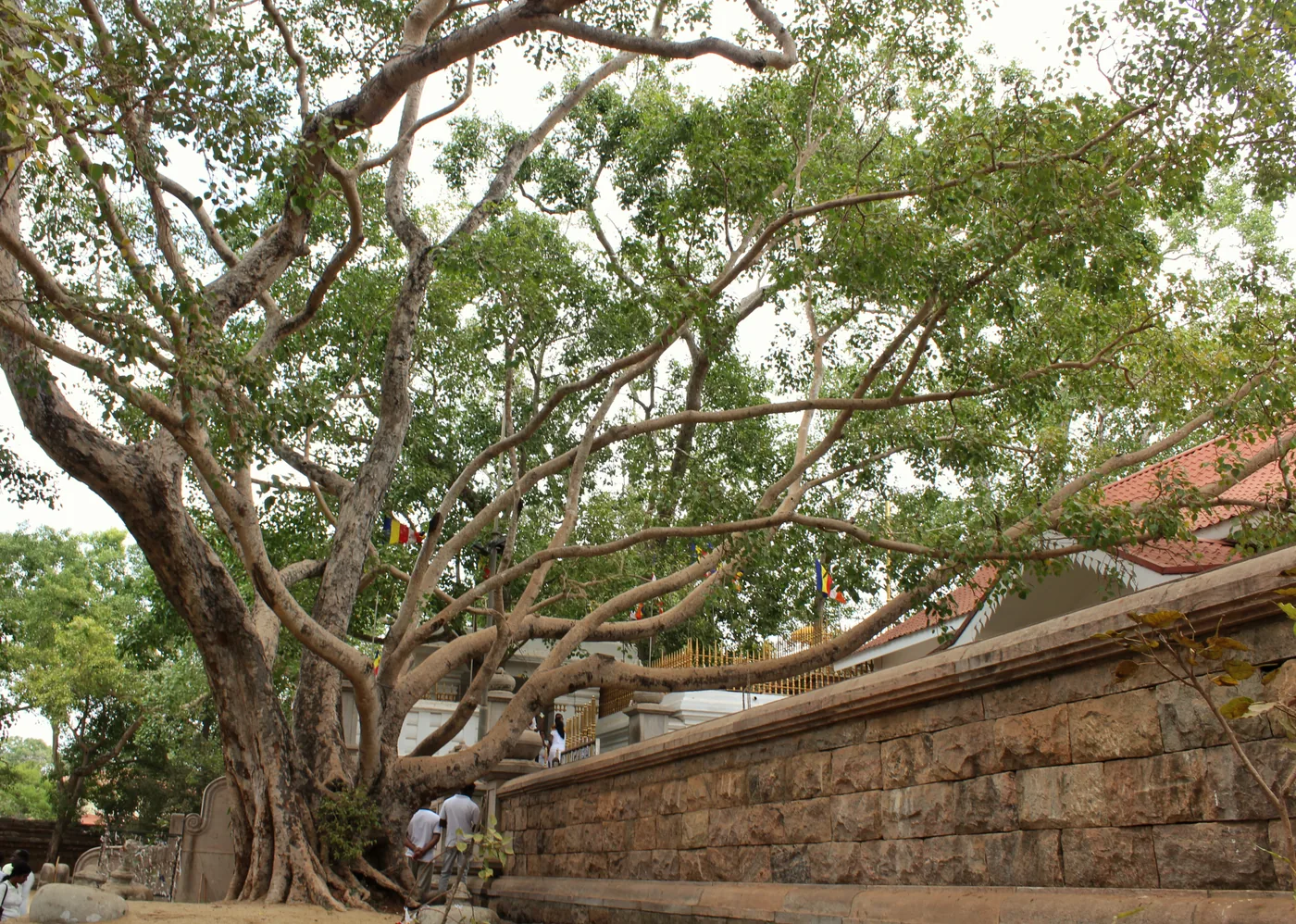
Jaya Sri Maha Bodhi
Visit Jaya Sri Maha Bodhi in Anuradhapura: understand the sacred tree precinct, respectful visiting and nearby Ruwanwelisaya and Lovamahapaya.
Explore this destinationRuwanweli Maha Seya
Explore Ruwanweli Maha Seya, also called Ruwanwelisaya, with ideas for the precinct, nearby sacred sites and Basawakkulama Tank in Anuradhapura.
Explore this destination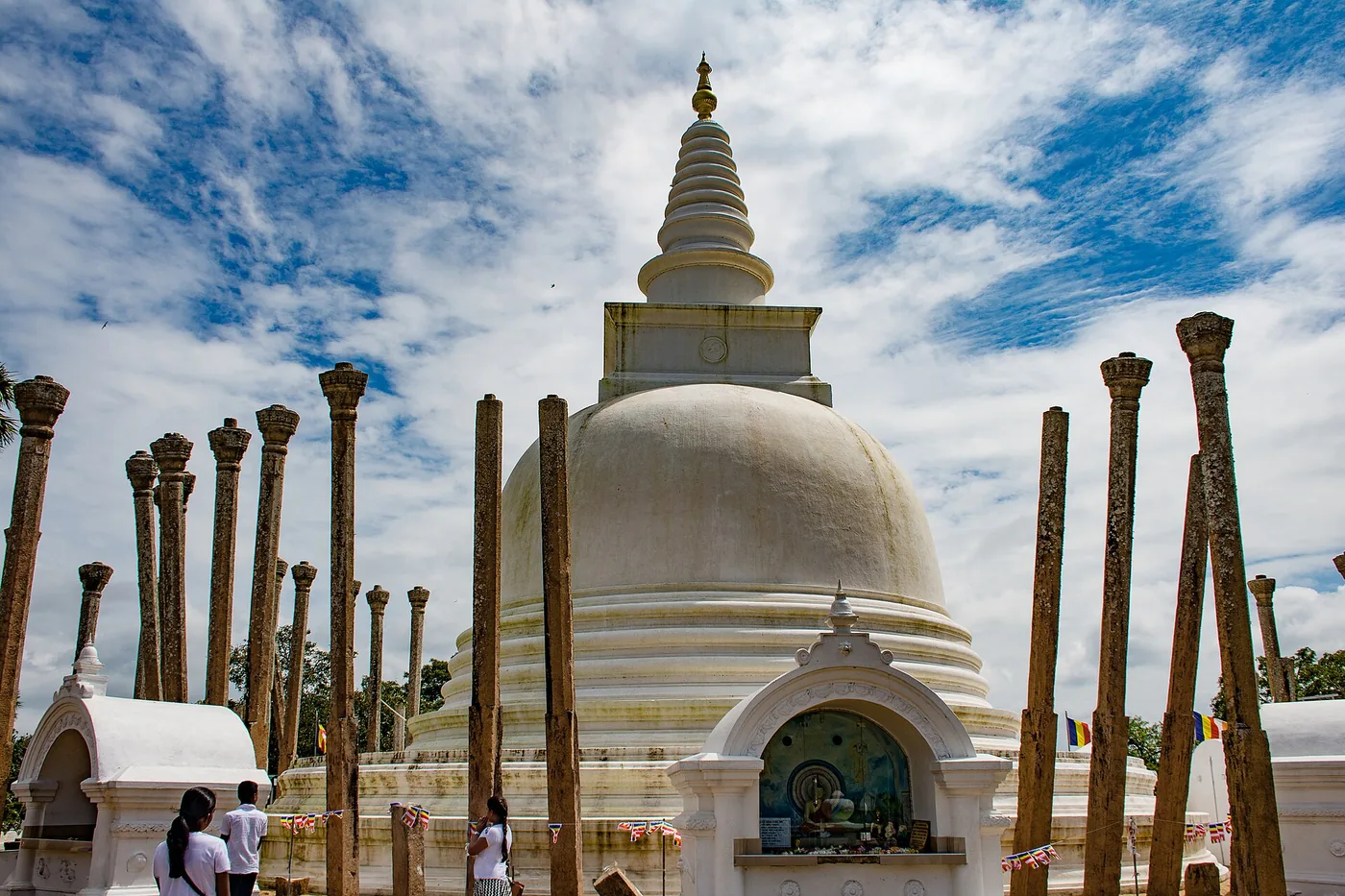
Thuparamaya
Discover Thuparamaya in Anuradhapura, with its white stupa, circle of stone pillars and a focused visit alongside the city’s larger monuments.
Explore this destination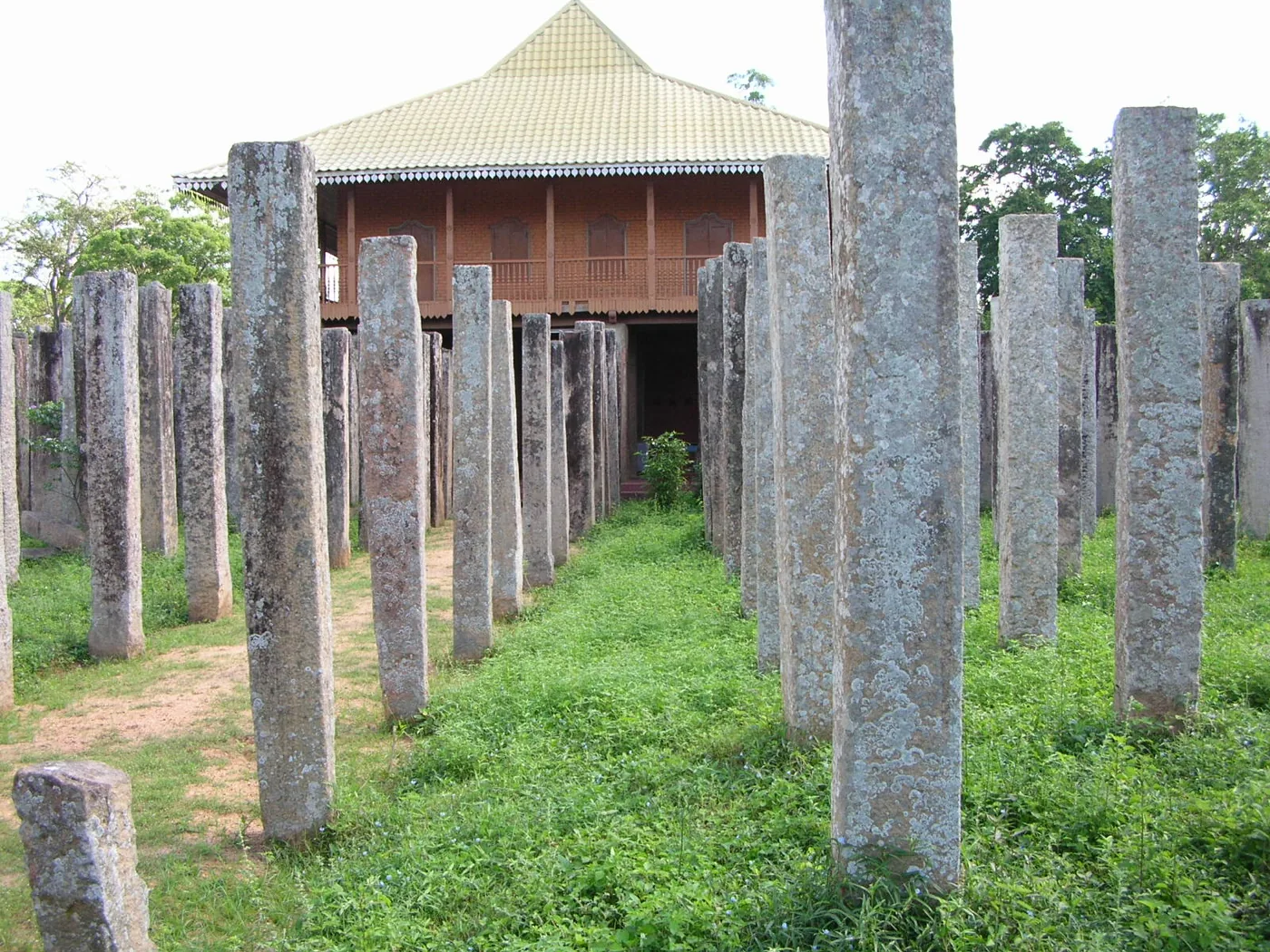
Lovamahapaya (Brazen Palace)
Understand Lovamahapaya, the Brazen Palace ruins between Sri Maha Bodhi and Ruwanwelisaya: surviving pillars, monastic context and nearby visits.
Explore this destination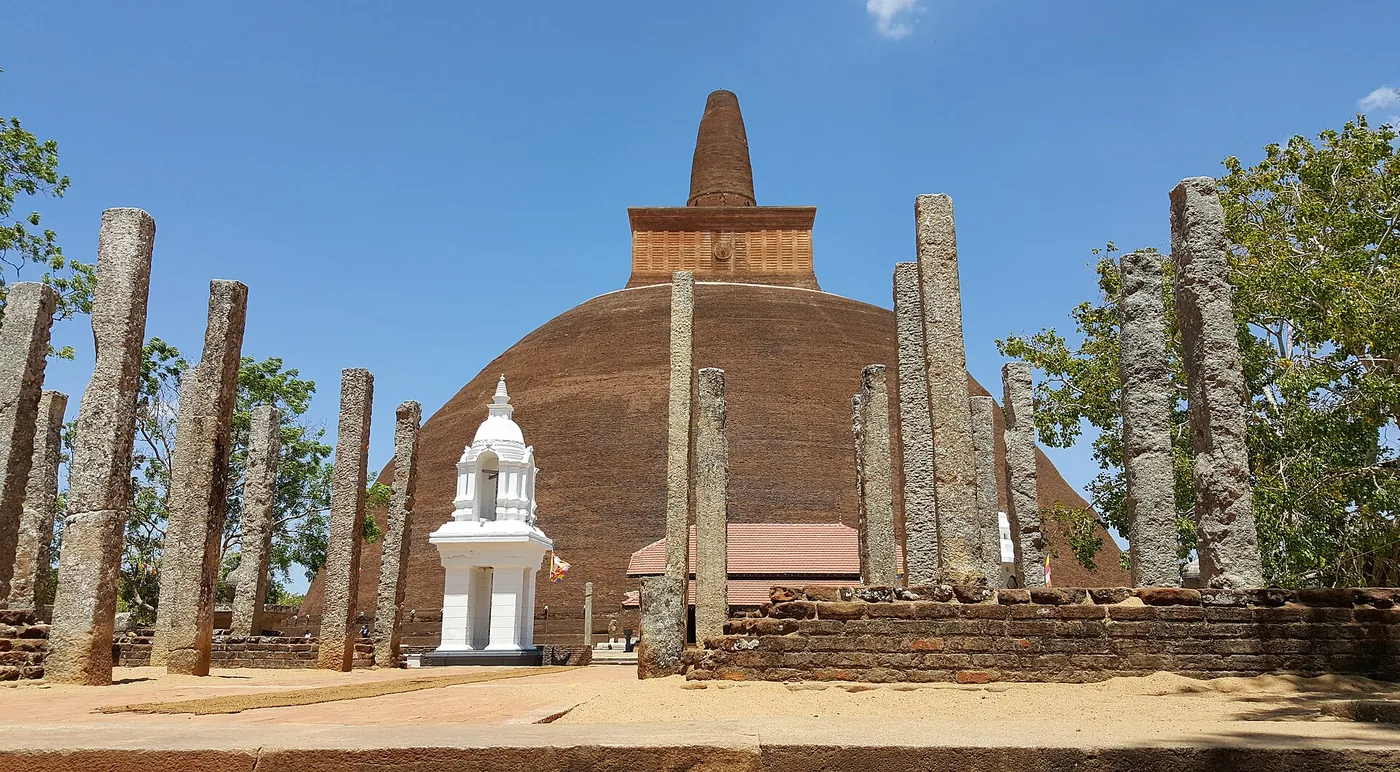
Abhayagiri Monastery
Explore Abhayagiri Monastery in Anuradhapura: the brick stupa, carved entrance stones and connected visits to Samadhi Buddha and Kuttam Pokuna.
Explore this destination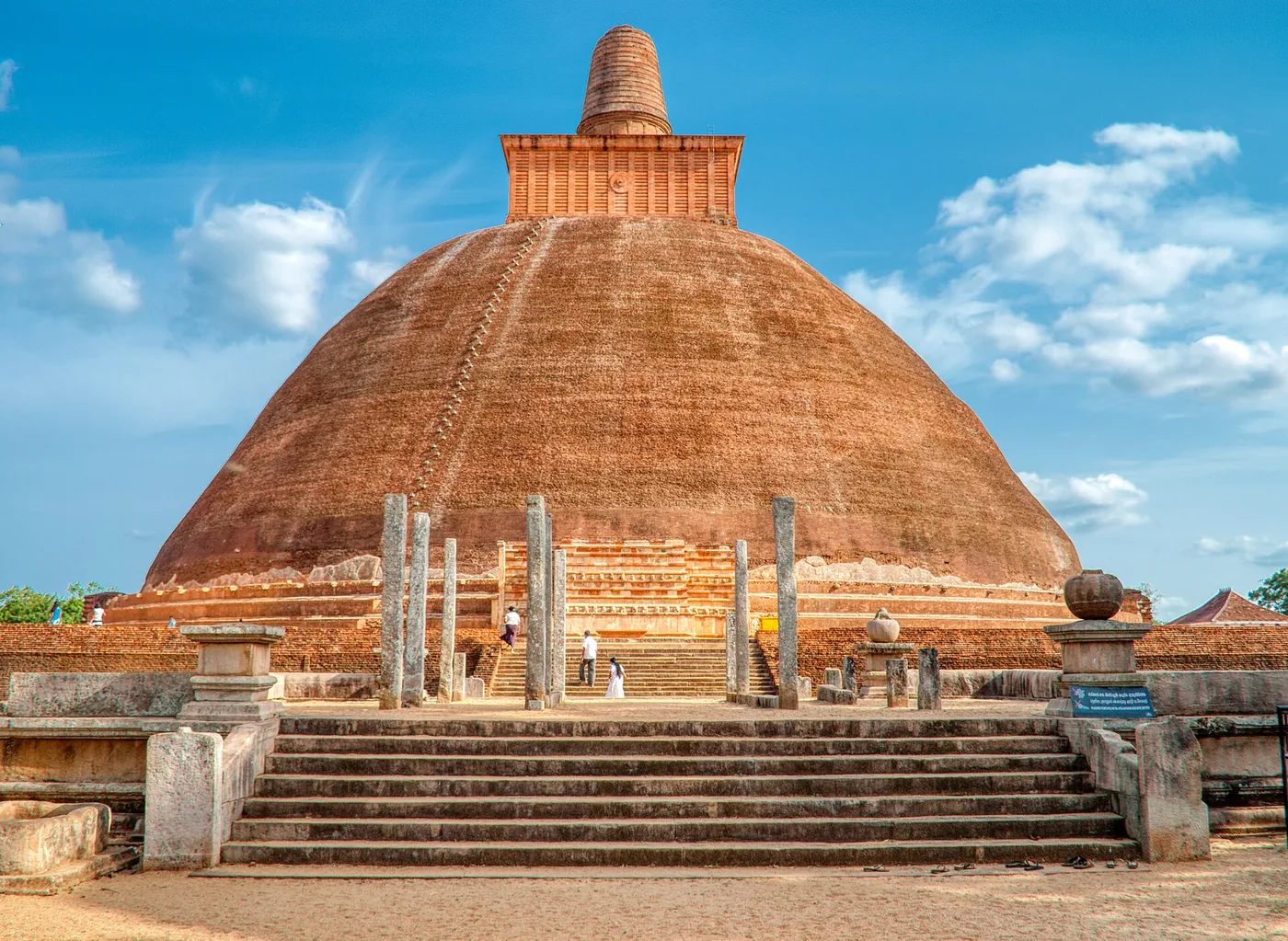
Jetavanaramaya
Visit Jetavanaramaya in Anuradhapura, with ideas for appreciating the brick stupa, nearby remains and the contrast with Abhayagiri and Ruwanwelisaya.
Explore this destination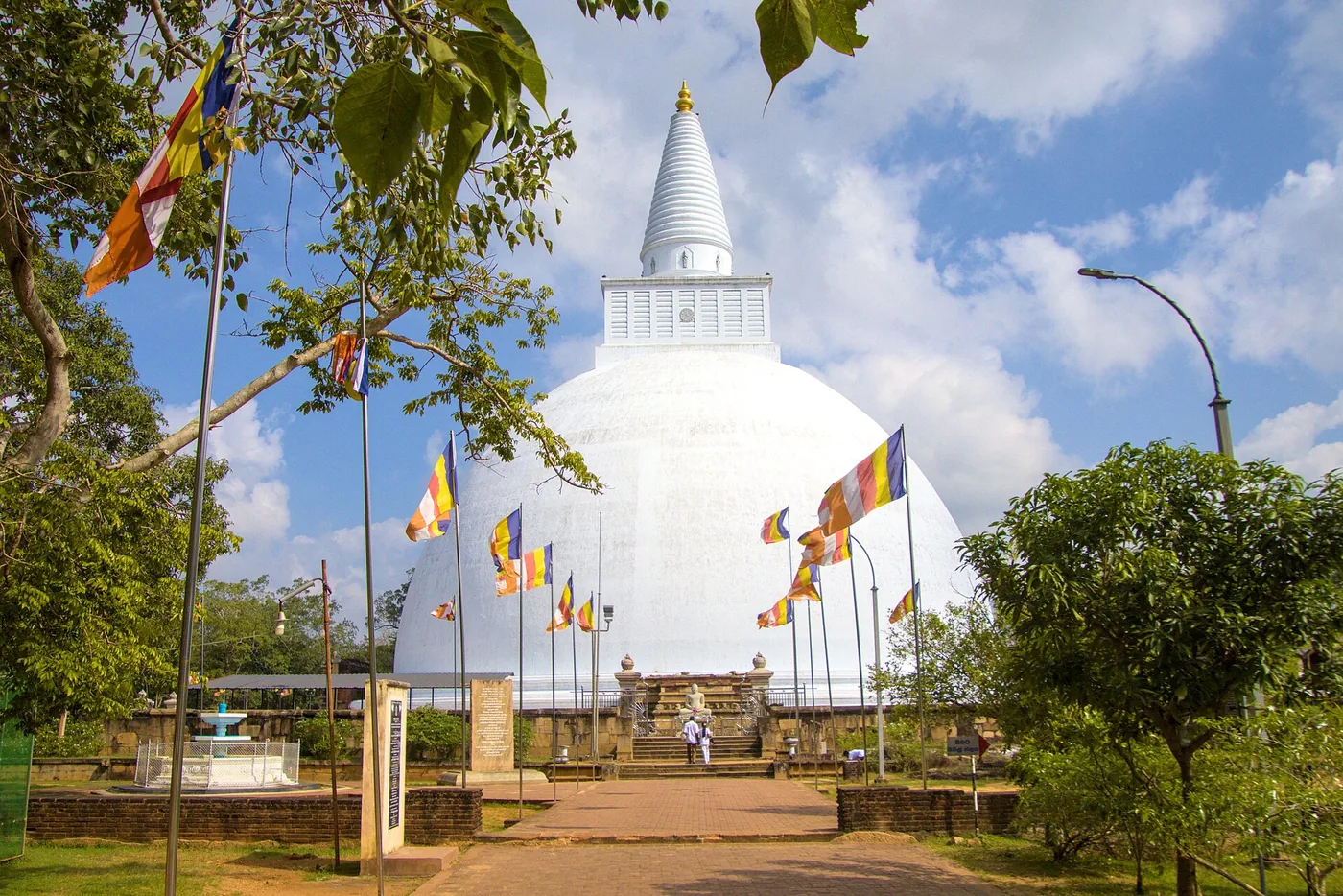
Mirisawetiya
Discover Mirisawetiya in Anuradhapura: its white stupa, place among the eight sacred sites and how to fit a thoughtful visit into your route.
Explore this destination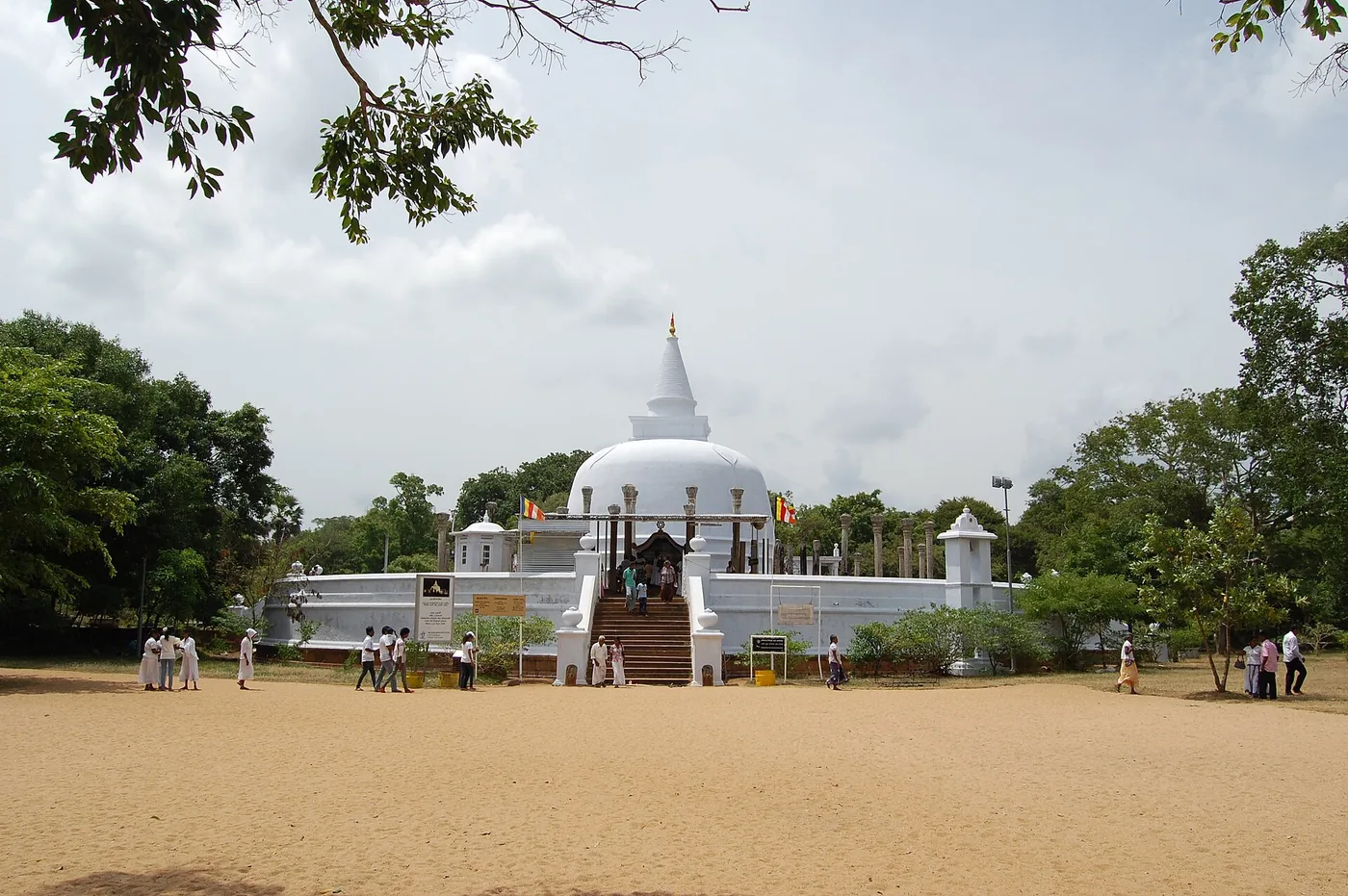
Lankaramaya
Visit Lankaramaya in Anuradhapura to see its white stupa and surrounding pillars, with context on rebuilding and a route through the northern ruins.
Explore this destination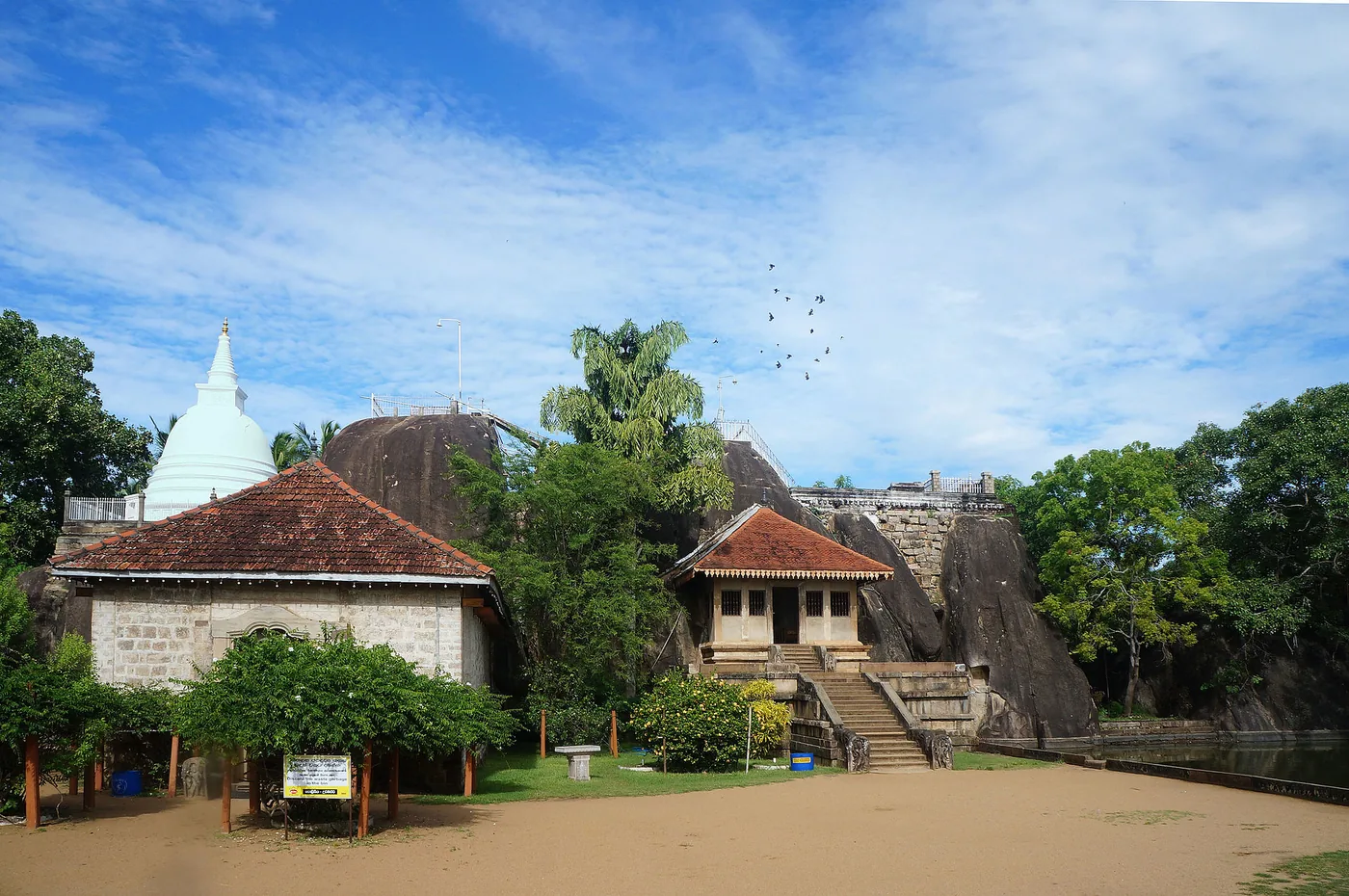
Isurumuniya
Explore Isurumuniya in Anuradhapura: the rock temple, pond, Lovers relief and stone carvings, with advice on the site museum and nearby visits.
Explore this destination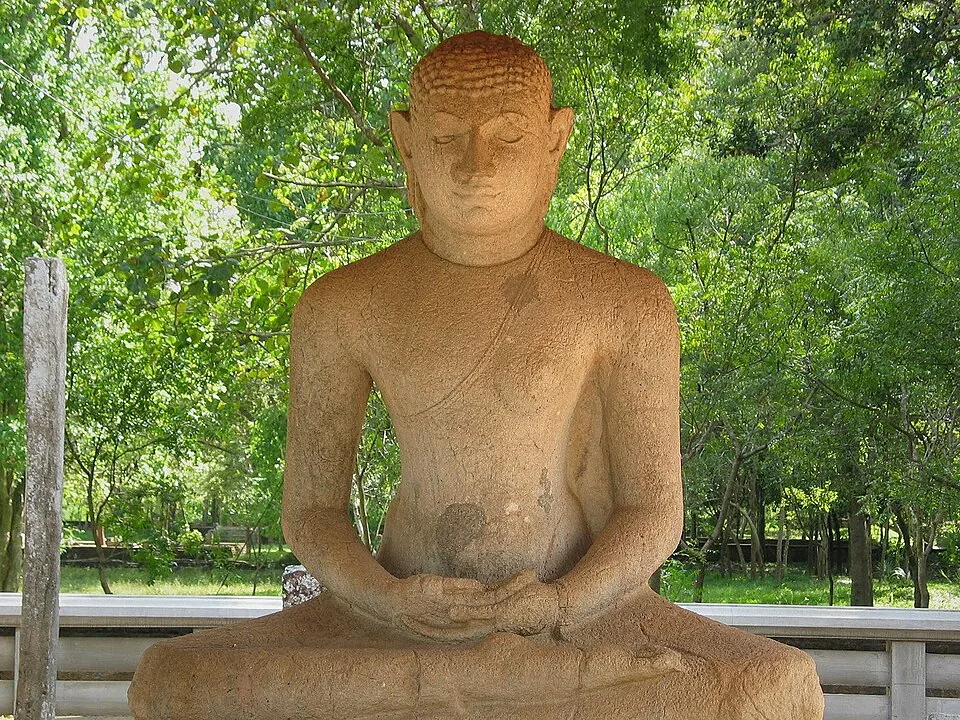
Samadhi Buddha Statue
Visit the Samadhi Buddha Statue in Anuradhapura’s Abhayagiri area, with ideas for quiet observation and nearby monastery and Twin Ponds visits.
Explore this destination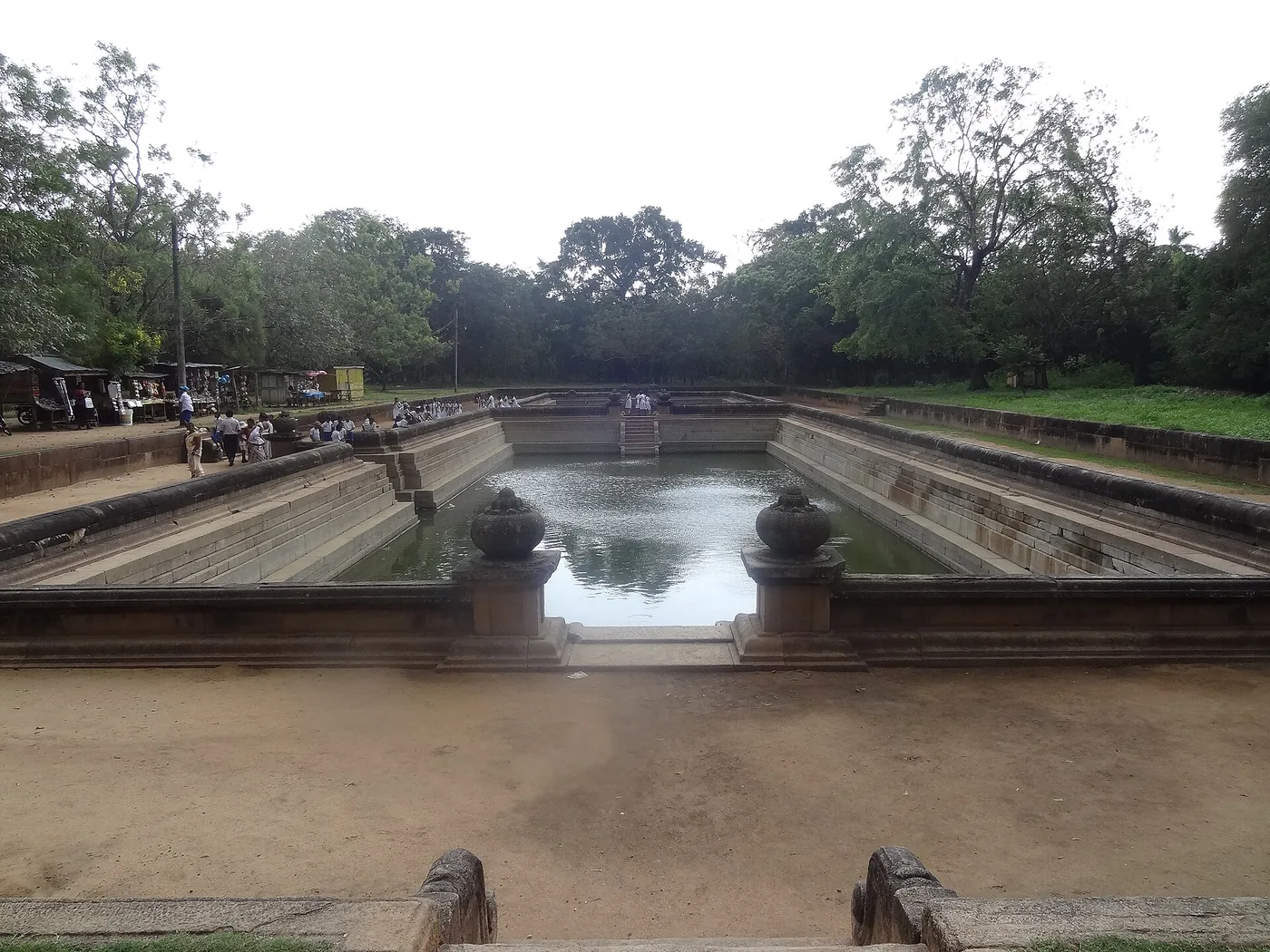
Kuttam Pokuna (Twin Ponds)
Explore Kuttam Pokuna, the Twin Ponds of Anuradhapura, with stonework details and ideas for combining them with Abhayagiri and Samadhi Buddha.
Explore this destination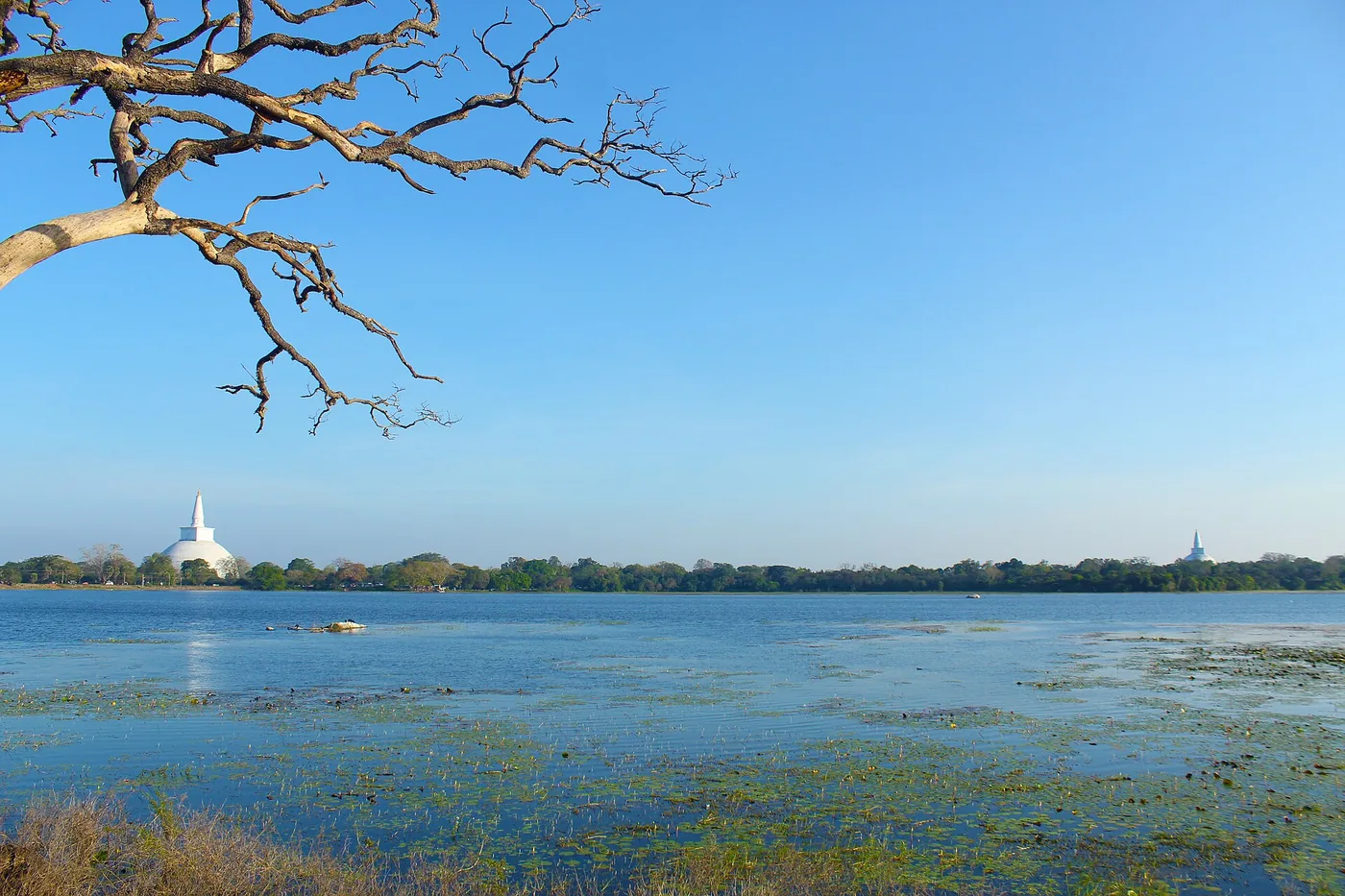
Basawakkulama Tank (Abhaya Wewa)
Discover Basawakkulama Tank, also called Abhaya Wewa, as a slower landscape stop near Ruwanwelisaya during an Anuradhapura visit.
Explore this destinationDestinations to combine with your journey.
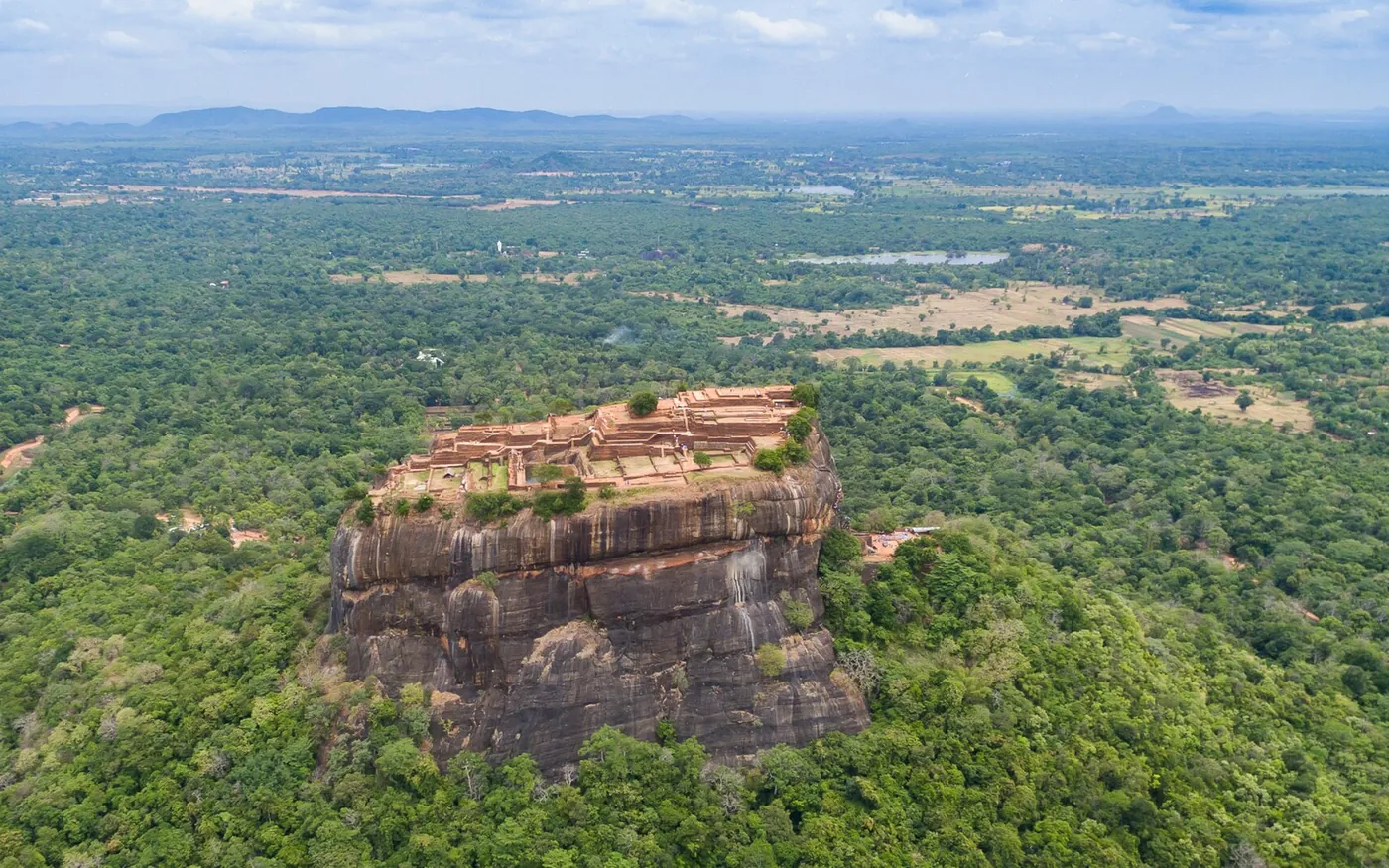
Sigiriya
Choose a base around Sigiriya and plan the Rock, separate temple visits and Cultural Triangle journeys at a comfortable pace.
Explore this destination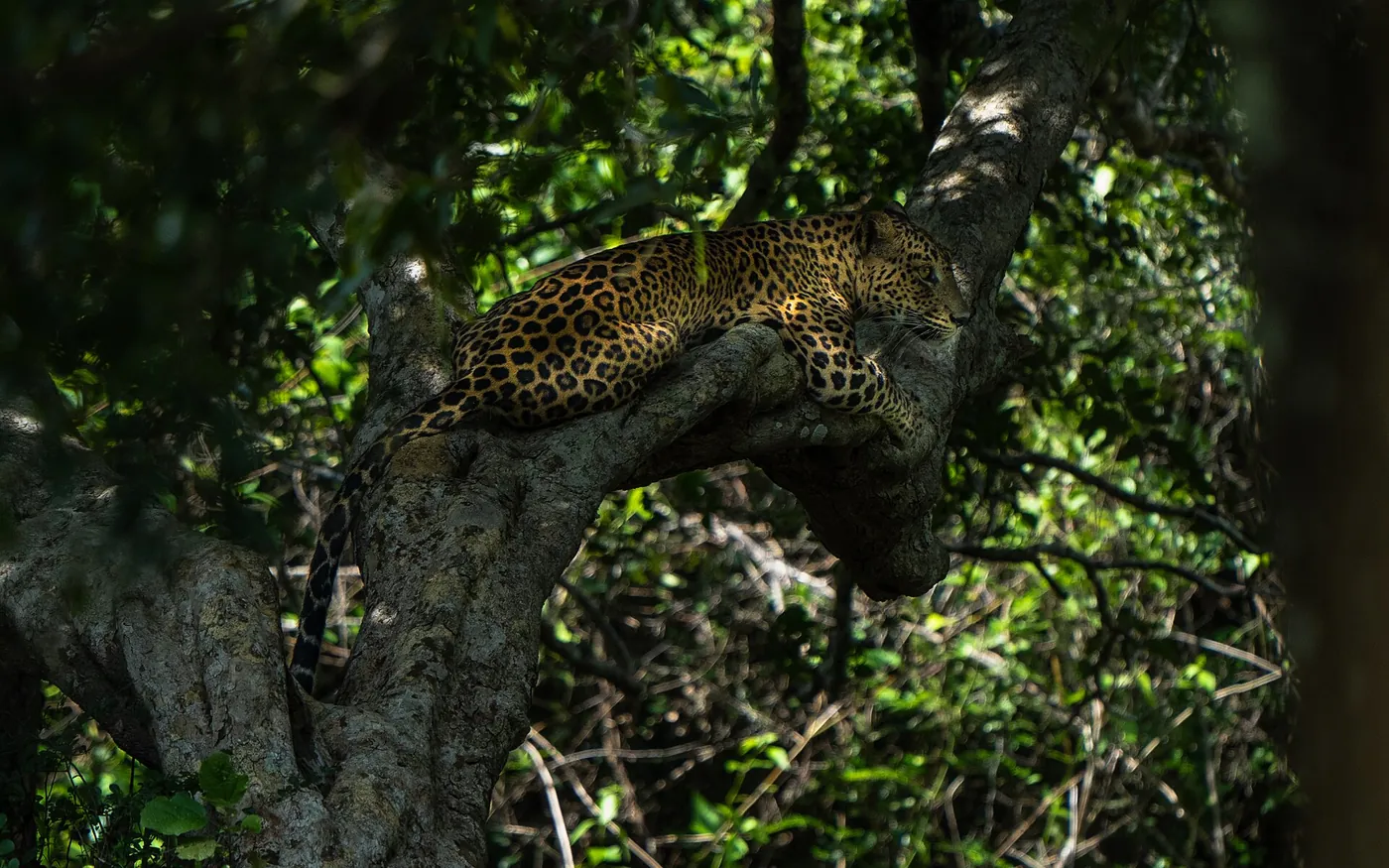
Wilpattu National Park
Explore forest and natural lakes, choose an entrance and compare safari duration, jeep arrangements, costs and places to stay.
Explore this destination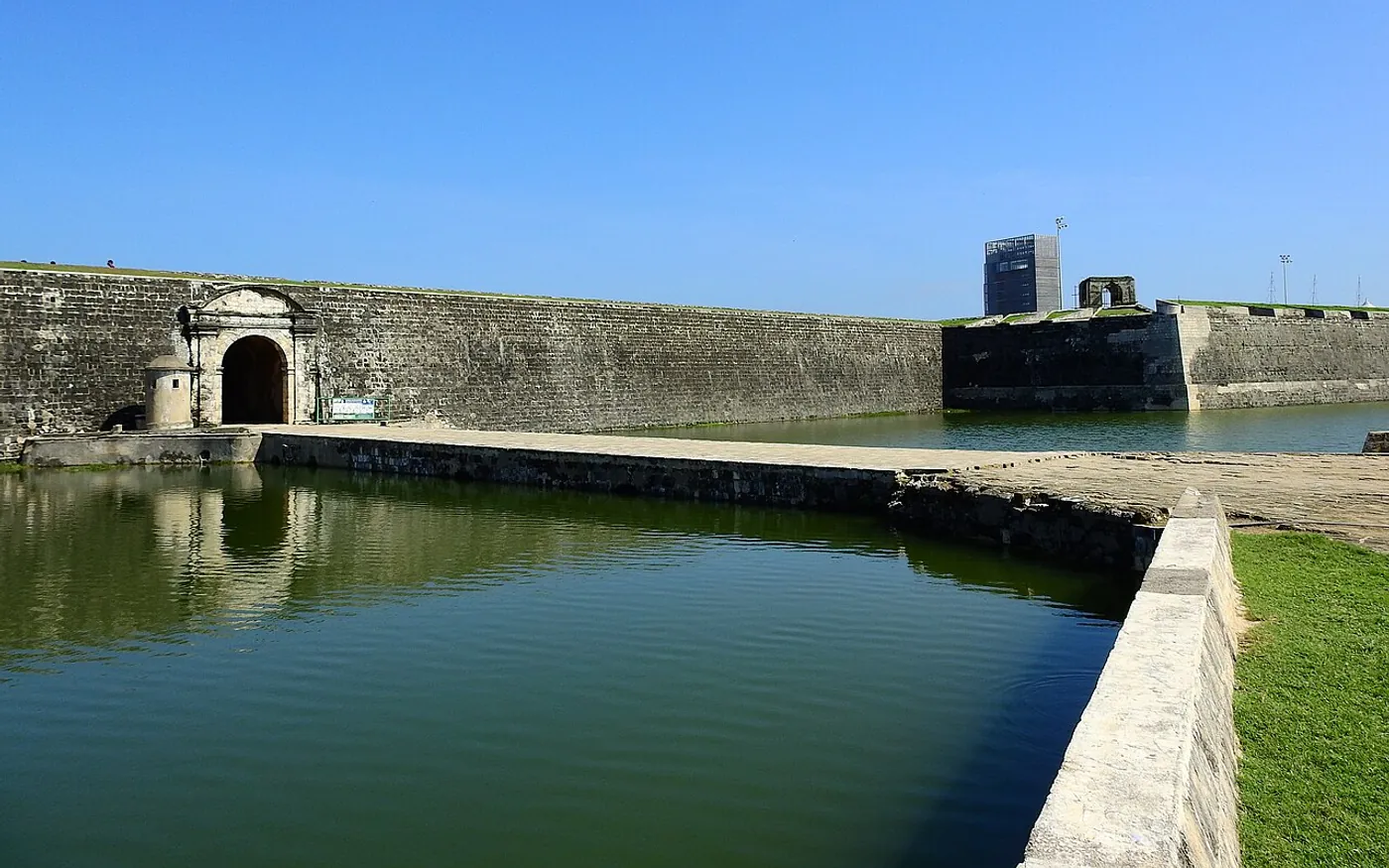
Jaffna
A northern city of distinctive food, sacred places, island landscapes and layered history.
Explore this destinationWould you like to include Anuradhapura?
Share your dates, pace and other ideas. We will discuss the route, duration, transport and quotation personally.