
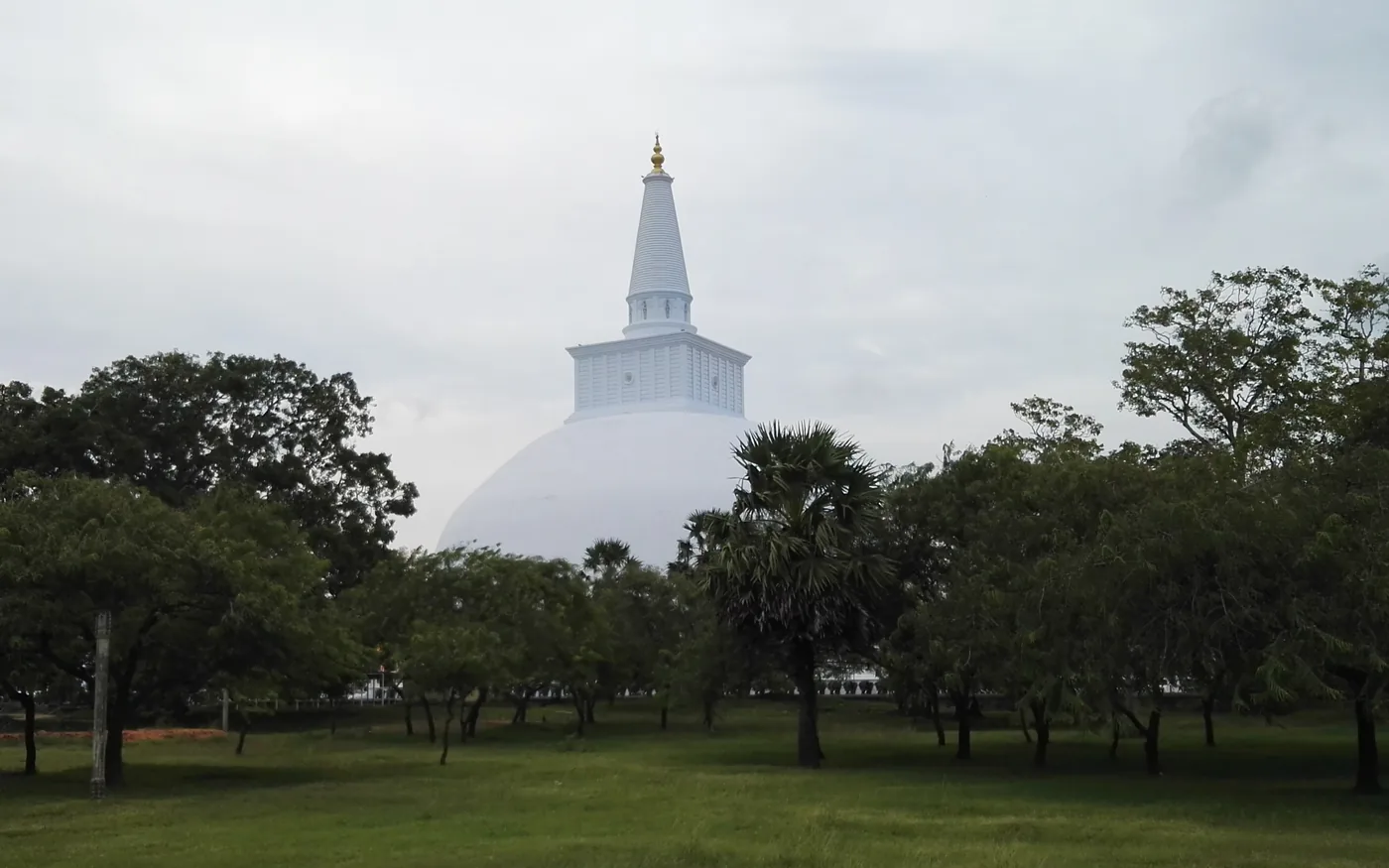
The Sacred City of Anuradhapura is best understood as a landscape, not a single enclosure. Great stupas, a sacred tree, monastic remains and water structures sit within a city of continuing worship. This guide explains the modern eight sacred places and the details that connect them.
A few reasons to stay curious.
Eight different sacred places
The modern Atamasthana includes a tree precinct, a former monastic building and stupas.
Monasteries beyond monuments
Look at how sculpture, entrance stones and water structures relate to a wider complex.
Heritage with living devotion
Leave room for worship and respectful observation alongside archaeological interest.
What are the eight sacred places?
Atamasthana is the name used for a group of eight sacred places in Anuradhapura. The modern list below includes Jaya Sri Maha Bodhi, Ruwanwelisaya, Thuparamaya, Lovamahapaya, Abhayagiri, Jetavanaramaya, Mirisawetiya and Lankaramaya. Follow the individual guides to see what distinguishes each visit.
Historical lists have changed, as U. B. Karunananda’s study explains. Our guide uses the modern eight-site list. Isurumuniya, Samadhi Buddha and the Twin Ponds are worthwhile additional visits, but they do not turn this list into eleven; Mihintale is a separate sacred destination.
From the Mahavihara precinct to Abhayagiri and Jetavana
It helps to think in groups rather than one long checklist. Sri Maha Bodhi, Lovamahapaya and Ruwanwelisaya introduce the main sacred precinct associated with the Mahavihara landscape. Abhayagiri and Jetavana give you wider monastic settings anchored by monumental brick stupas.
The word “monastery” matters here. A dome is only one part of a complex; remains of buildings, entrances, images and water structures add context. Choose time for those details if you want an archaeological visit, and discuss site interpretation separately from transport.
Moonstones, guardstones and images
The semicircular entrance stones known as sandakada pahana, or moonstones, and the upright guardstones called muragala invite close looking. Notice patterns, figures and their position at an entrance. A guide can explain proposed meanings while distinguishing interpretation from certainty.
Samadhi Buddha offers a seated meditation image, while Isurumuniya brings a rock-temple setting and relief sculpture. The Lovers’ identities remain open to interpretation. Preserve that uncertainty rather than reducing the carving to a single romantic biography, and observe stonework without touching or climbing it.
Water is part of the heritage
Kuttam Pokuna’s stone-lined Twin Ponds draw attention to the handling of water within the monastic landscape. Reservoirs around the city show another scale of engineering. A visit becomes richer when those structures receive attention alongside the largest religious monuments.
Basawakkulama Tank, also called Abhaya Wewa, provides landscape context near Ruwanwelisaya. Consider a suitable public viewpoint or pause rather than assuming a complete shore walk. The ponds and reservoir have different settings and visitor uses; neither is presented here as a swimming activity.
What the World Heritage designation means here
UNESCO inscribed the Sacred City of Anuradhapura in 1982. The designation recognises a wider cultural property; our separate attraction pages do not describe each monument as an independently inscribed World Heritage Site.
For visitors, the useful question is how to experience that landscape with care. Contemporary worship and conservation both shape access. A visit can hold religious meaning, architectural interest and an appreciation of ordinary human activity without treating the city as an abandoned display.
Plan a respectful, comfortable visit
Cover shoulders and knees, follow instructions about footwear and ask before photographing people at worship. Keep to permitted paths around archaeological remains and leave carvings untouched. For professional or commercial filming, confirm the relevant permissions before making arrangements.
Choose a realistic group of sites and allow for water, shade and breaks. A pilgrimage to all eight may need a different rhythm from a first introduction. Check current ticket and museum arrangements individually, and share walking or step limitations before agreeing on the route.
Shape it into a wider route.
Use this guide to choose the heritage you want to understand, then use the city guide to shape the visit around your time and wider route. The main precinct, Abhayagiri area and Jetavana can be explored as separate groups.
Plan around the details.
The eight-site list explains sacred significance, not a timetable or a universal admission pass. Discuss access, footwear, walking comfort, transport and site guiding for the places you choose. Respect current instructions at each precinct.
Questions before you visit
Are the Atamasthana eight stupas?
No. The modern list includes the Sri Maha Bodhi tree precinct and Lovamahapaya, a former monastic building, as well as stupas.
Is Mihintale part of the same eight-site list?
This guide follows the modern list enumerated in the linked historical study, which does not include Mihintale. Historical lists and traditions differ; visit Mihintale as a separate sacred destination to discuss.
Does one ticket cover the entire Sacred City?
Do not assume that every sacred precinct, archaeological area and museum has the same admission arrangement. Confirm current coverage and any separate fees for your chosen stops.
Can I explore without visiting every site?
Yes. Choose the tree precinct and a stupa for a first introduction, or focus on sculpture, carved entrances and water engineering. The city guide suggests ways to choose a visit that suits your pace.
Sources and more planning ideas
Explore within this destination
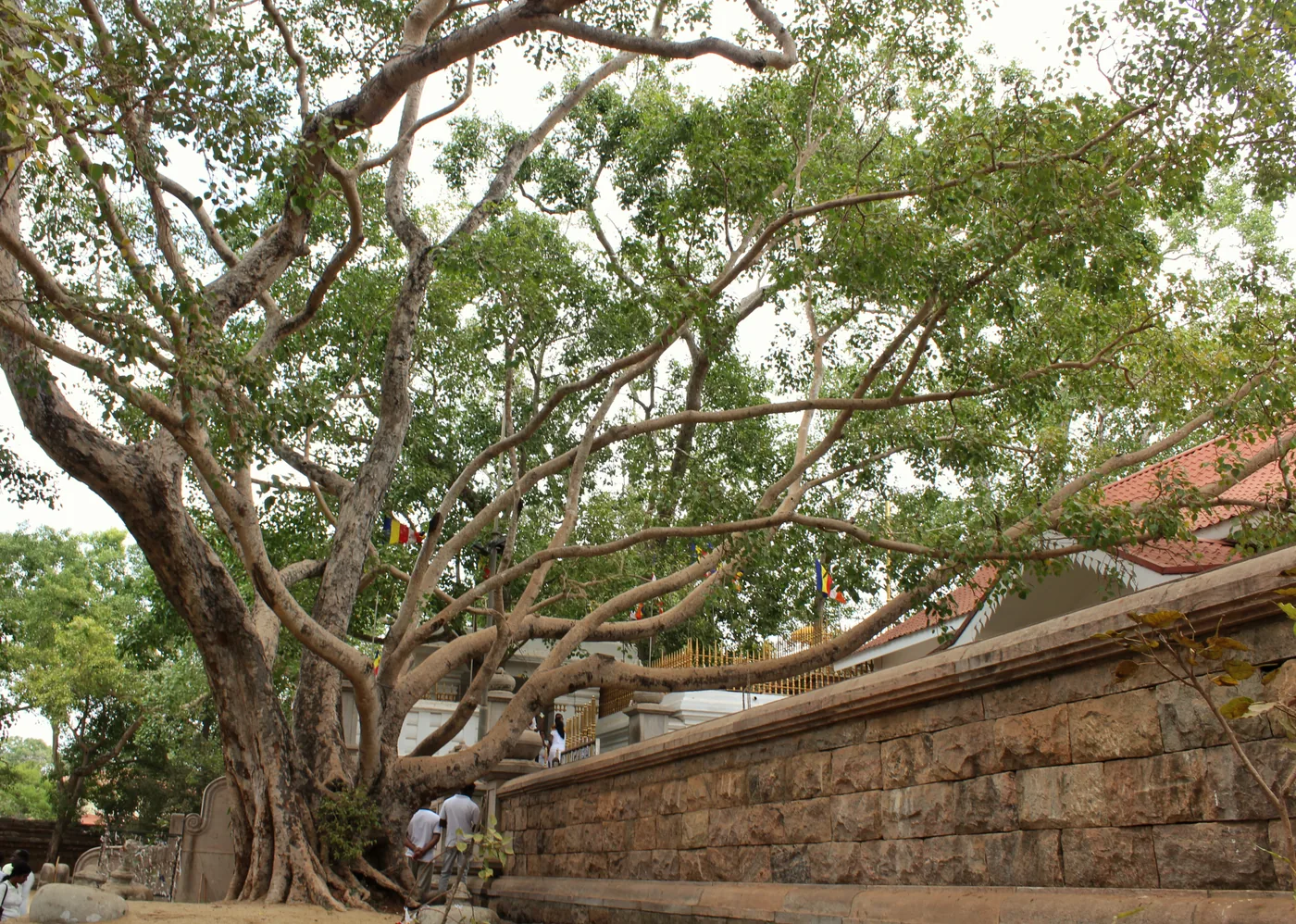
Jaya Sri Maha Bodhi
Visit Jaya Sri Maha Bodhi in Anuradhapura: understand the sacred tree precinct, respectful visiting and nearby Ruwanwelisaya and Lovamahapaya.
Explore this destinationRuwanweli Maha Seya
Explore Ruwanweli Maha Seya, also called Ruwanwelisaya, with ideas for the precinct, nearby sacred sites and Basawakkulama Tank in Anuradhapura.
Explore this destination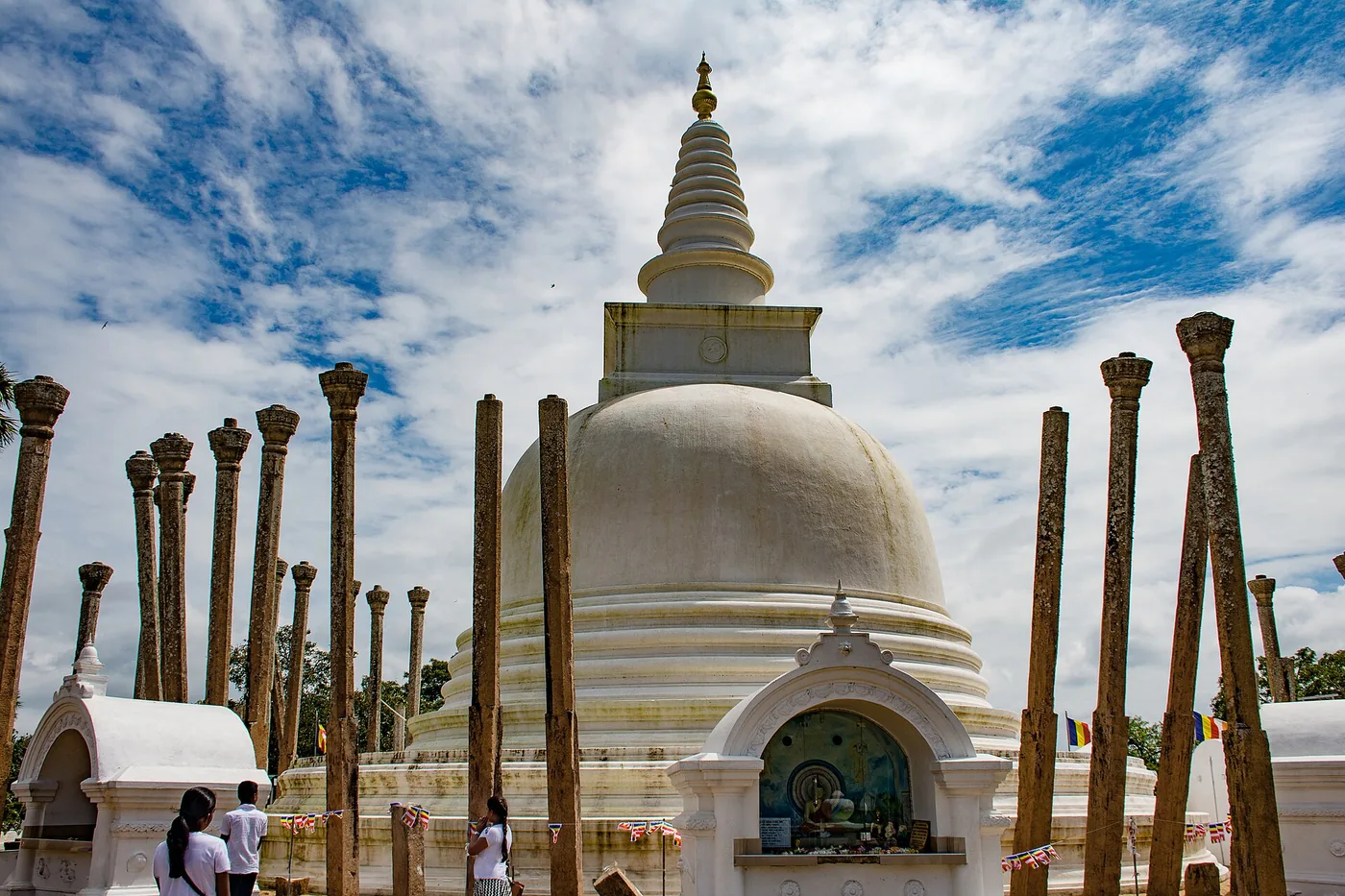
Thuparamaya
Discover Thuparamaya in Anuradhapura, with its white stupa, circle of stone pillars and a focused visit alongside the city’s larger monuments.
Explore this destination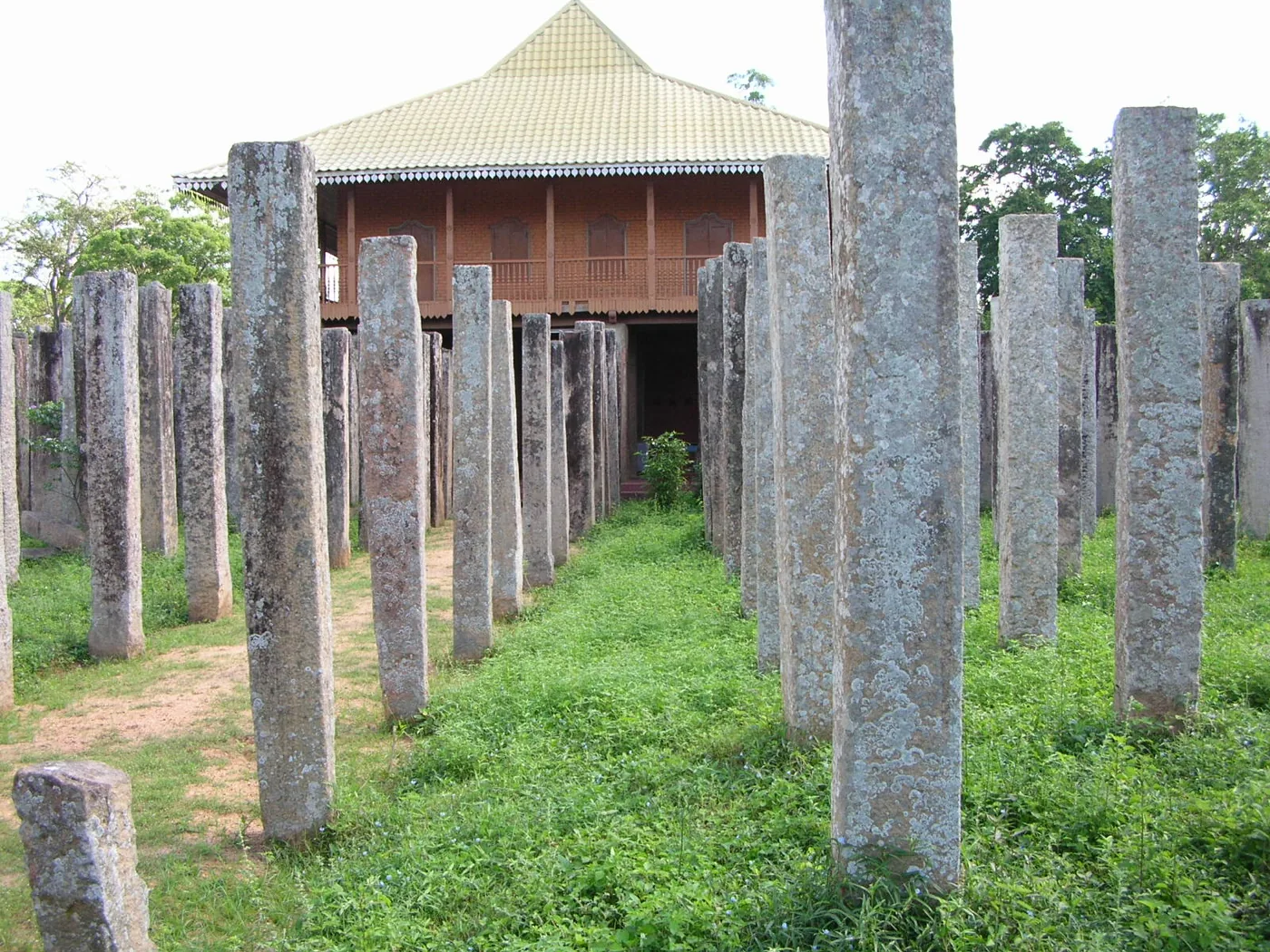
Lovamahapaya (Brazen Palace)
Understand Lovamahapaya, the Brazen Palace ruins between Sri Maha Bodhi and Ruwanwelisaya: surviving pillars, monastic context and nearby visits.
Explore this destination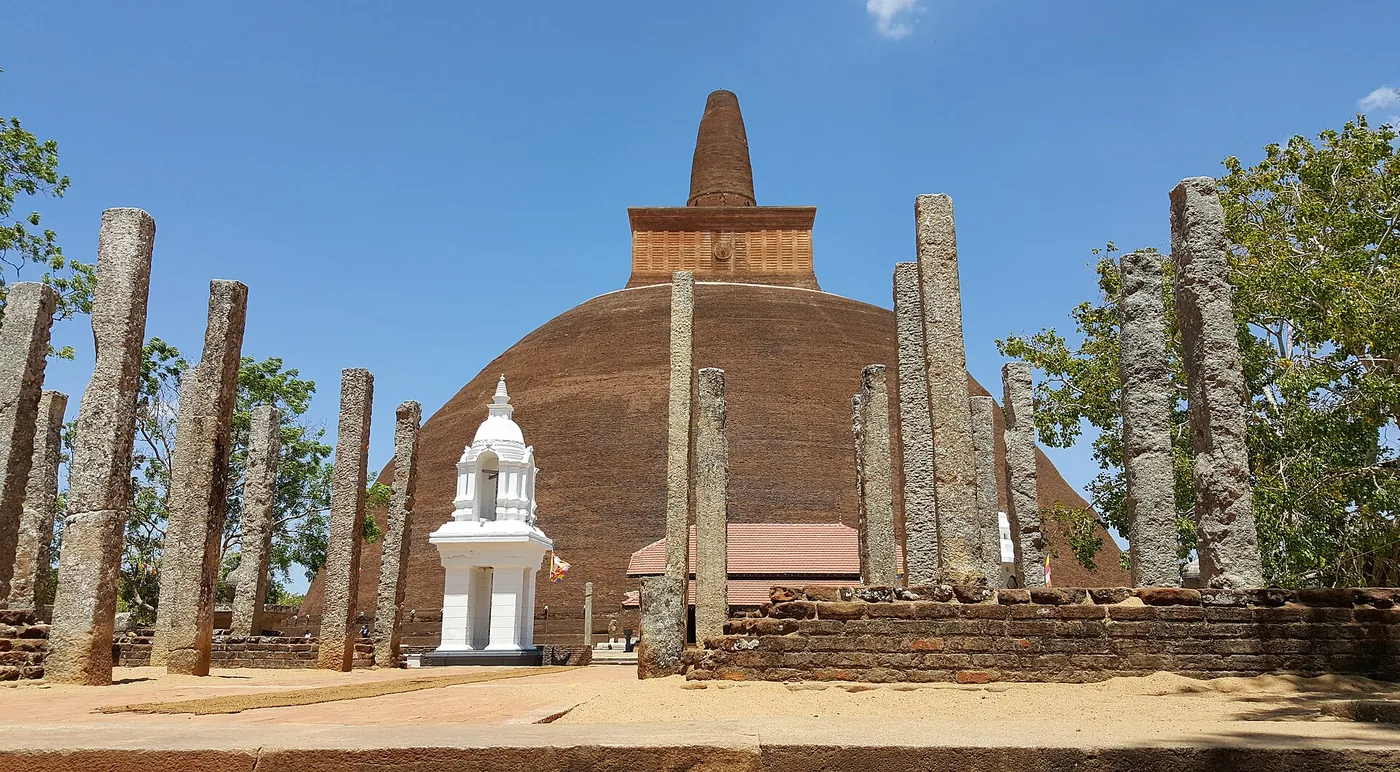
Abhayagiri Monastery
Explore Abhayagiri Monastery in Anuradhapura: the brick stupa, carved entrance stones and connected visits to Samadhi Buddha and Kuttam Pokuna.
Explore this destination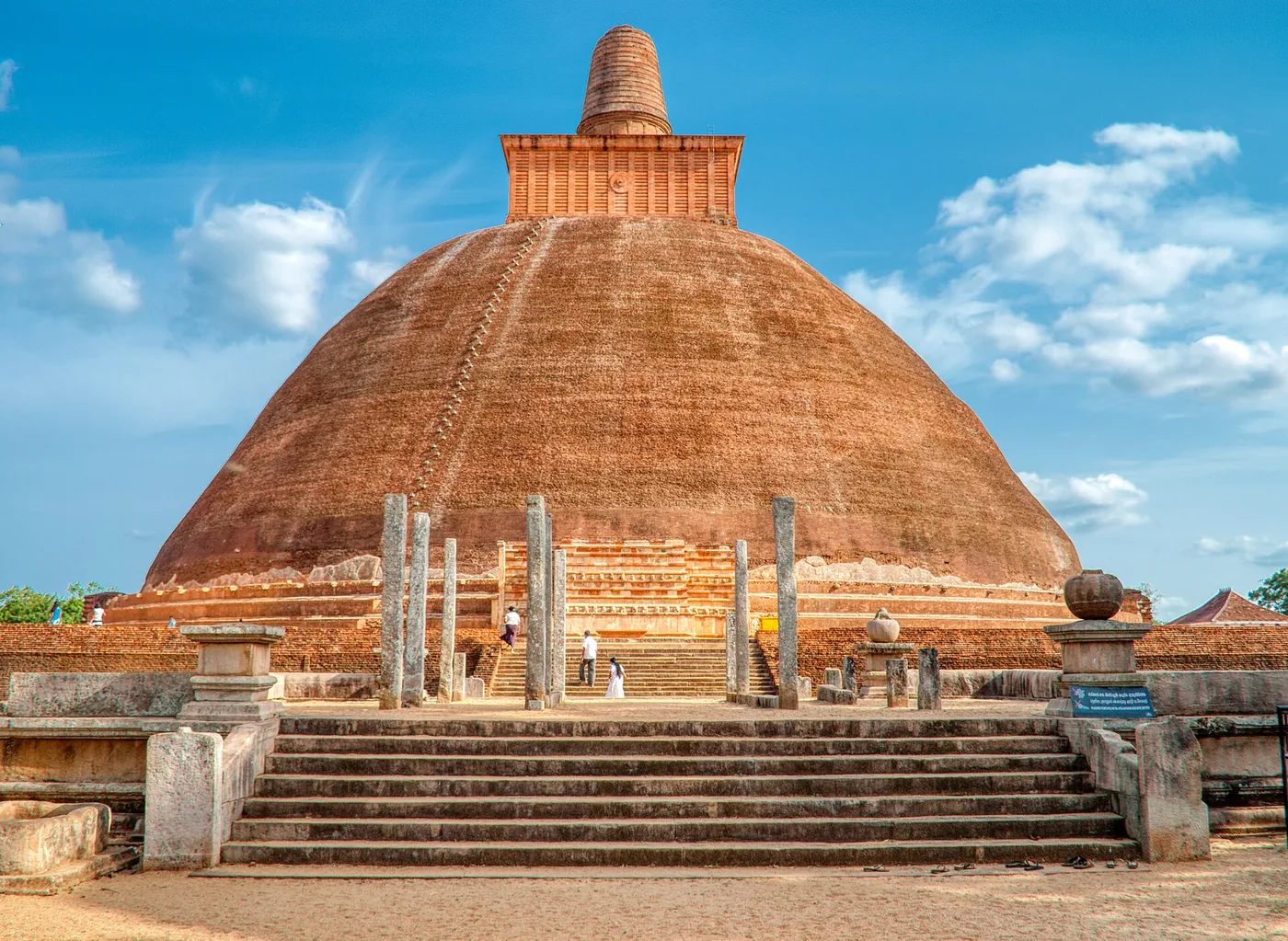
Jetavanaramaya
Visit Jetavanaramaya in Anuradhapura, with ideas for appreciating the brick stupa, nearby remains and the contrast with Abhayagiri and Ruwanwelisaya.
Explore this destination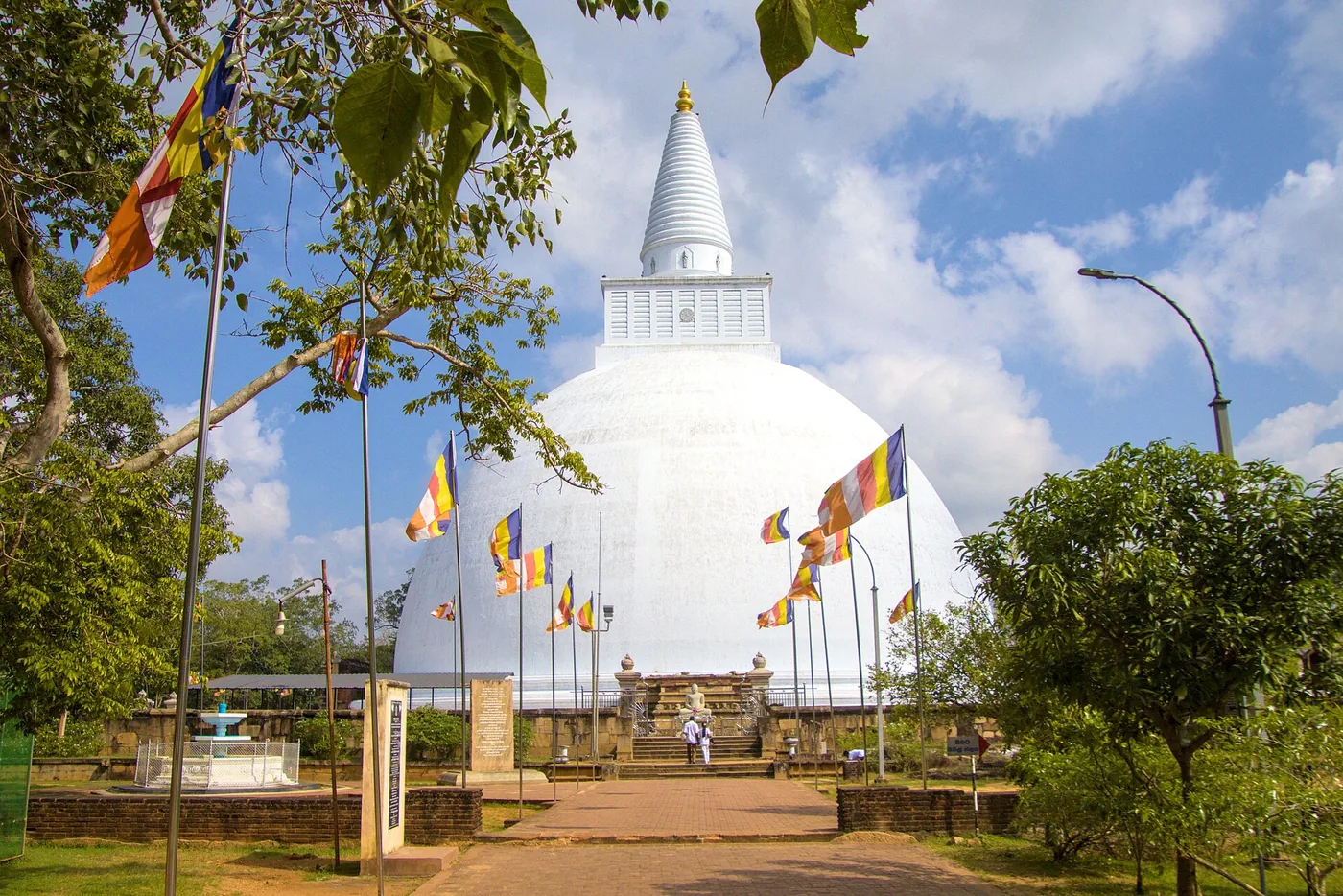
Mirisawetiya
Discover Mirisawetiya in Anuradhapura: its white stupa, place among the eight sacred sites and how to fit a thoughtful visit into your route.
Explore this destination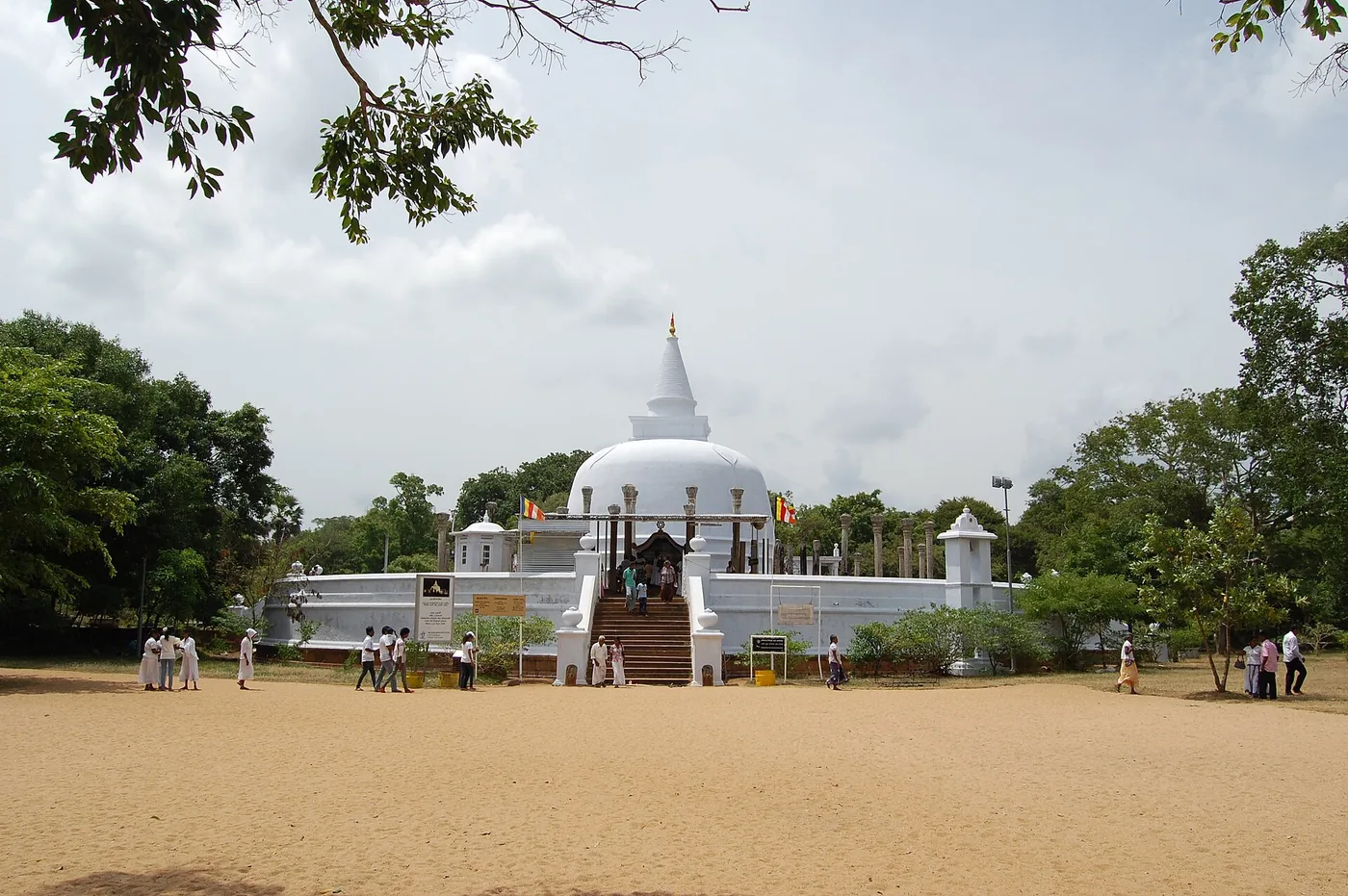
Lankaramaya
Visit Lankaramaya in Anuradhapura to see its white stupa and surrounding pillars, with context on rebuilding and a route through the northern ruins.
Explore this destinationDestinations to combine with your journey.
Anuradhapura
Plan an Anuradhapura visit around the eight sacred sites, stupas, carvings, Twin Ponds and reservoirs, with practical ideas for your time and pace.
Explore this destination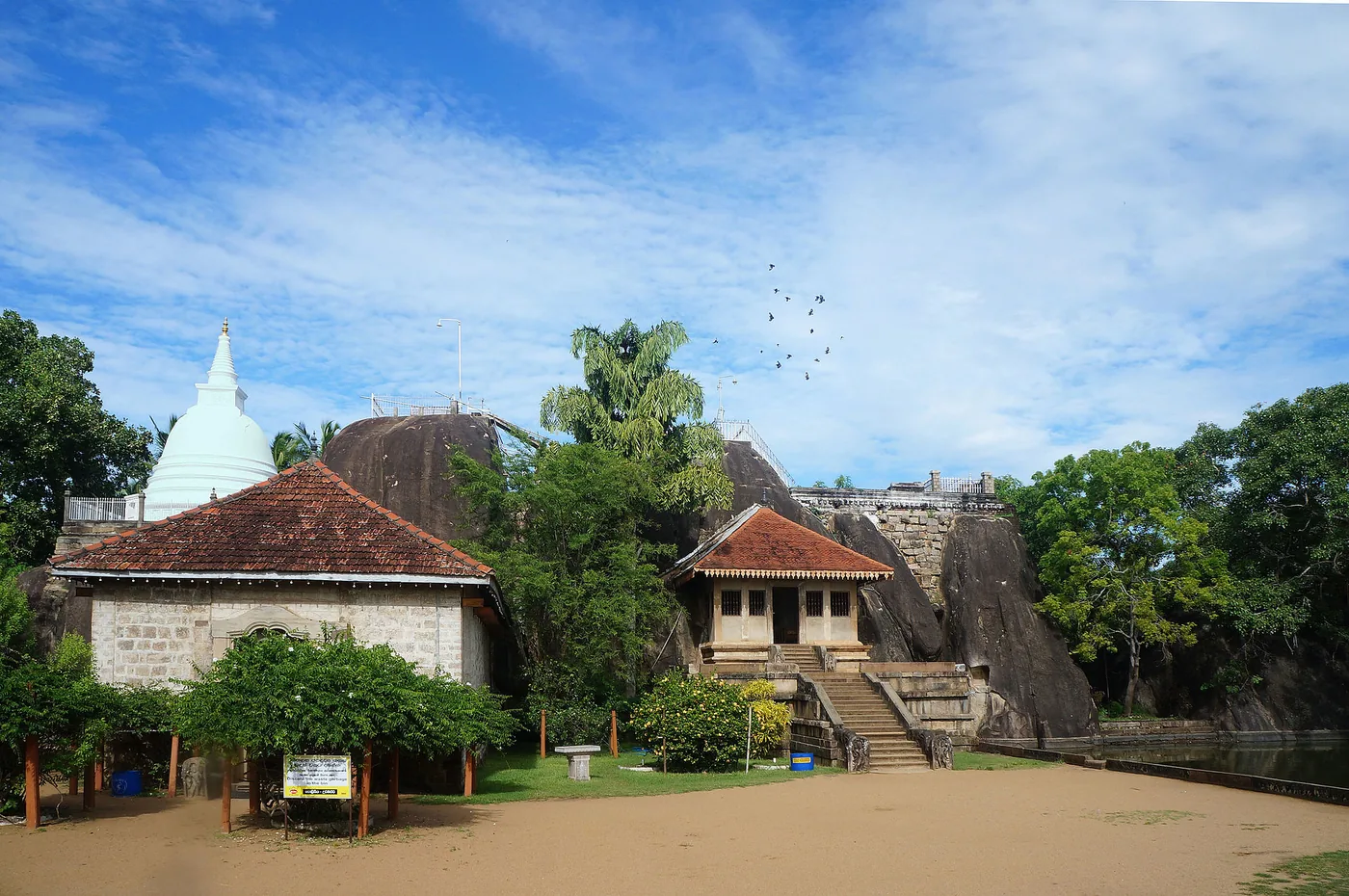
Isurumuniya
Explore Isurumuniya in Anuradhapura: the rock temple, pond, Lovers relief and stone carvings, with advice on the site museum and nearby visits.
Explore this destination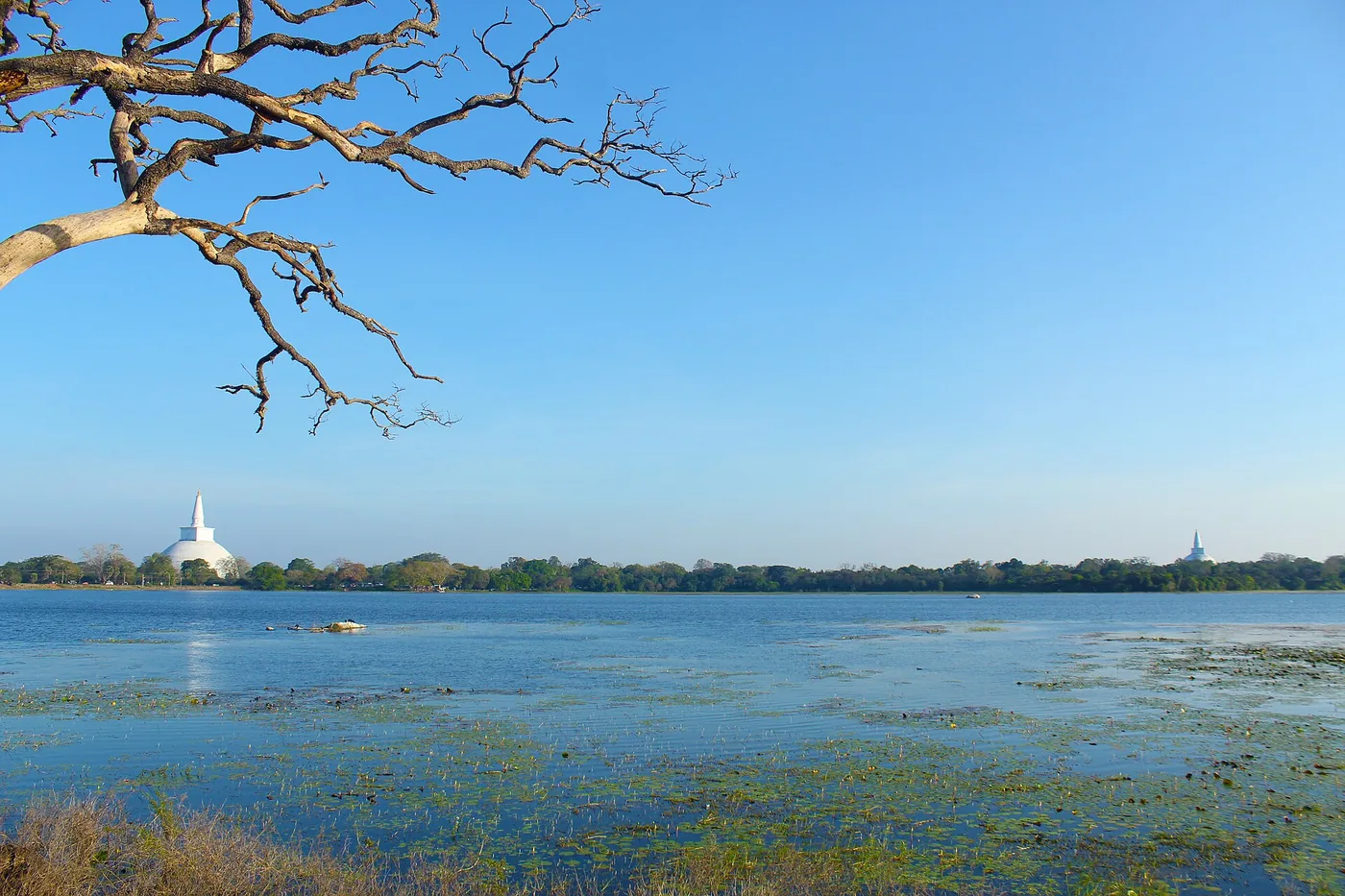
Basawakkulama Tank (Abhaya Wewa)
Discover Basawakkulama Tank, also called Abhaya Wewa, as a slower landscape stop near Ruwanwelisaya during an Anuradhapura visit.
Explore this destinationWould you like to include Sacred City of Anuradhapura?
Share your dates, pace and other ideas. We will discuss the route, duration, transport and quotation personally.